Overview
Zigbee, in practical terms.
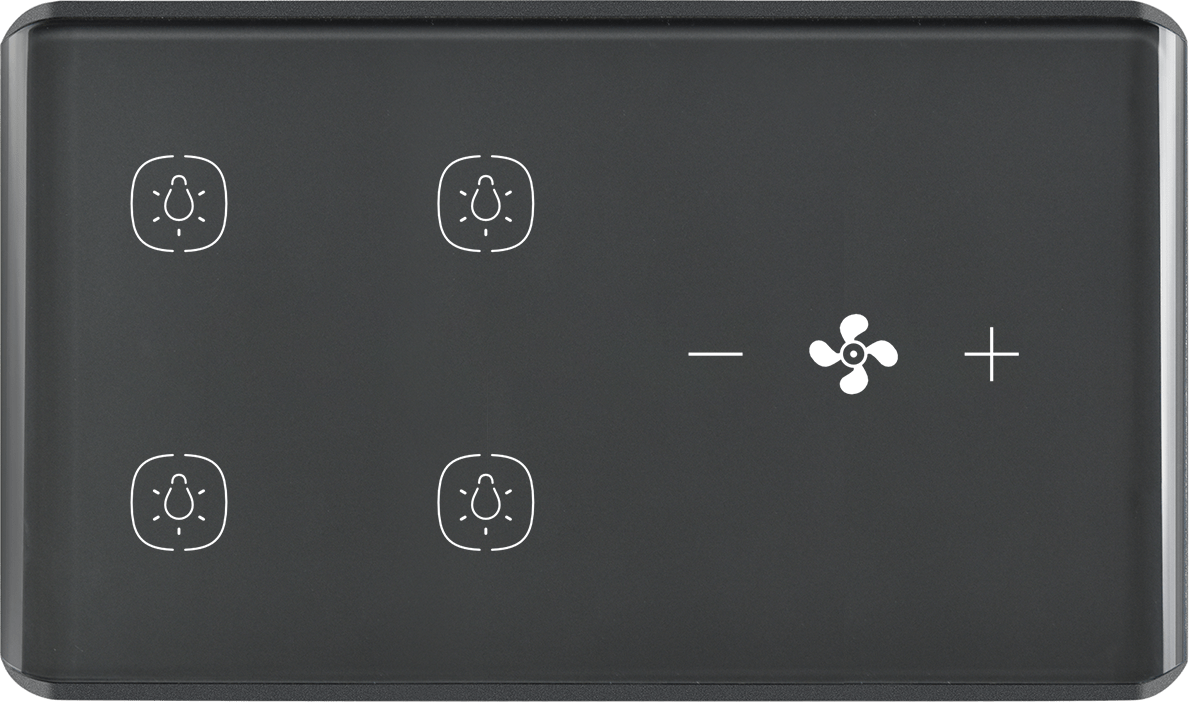
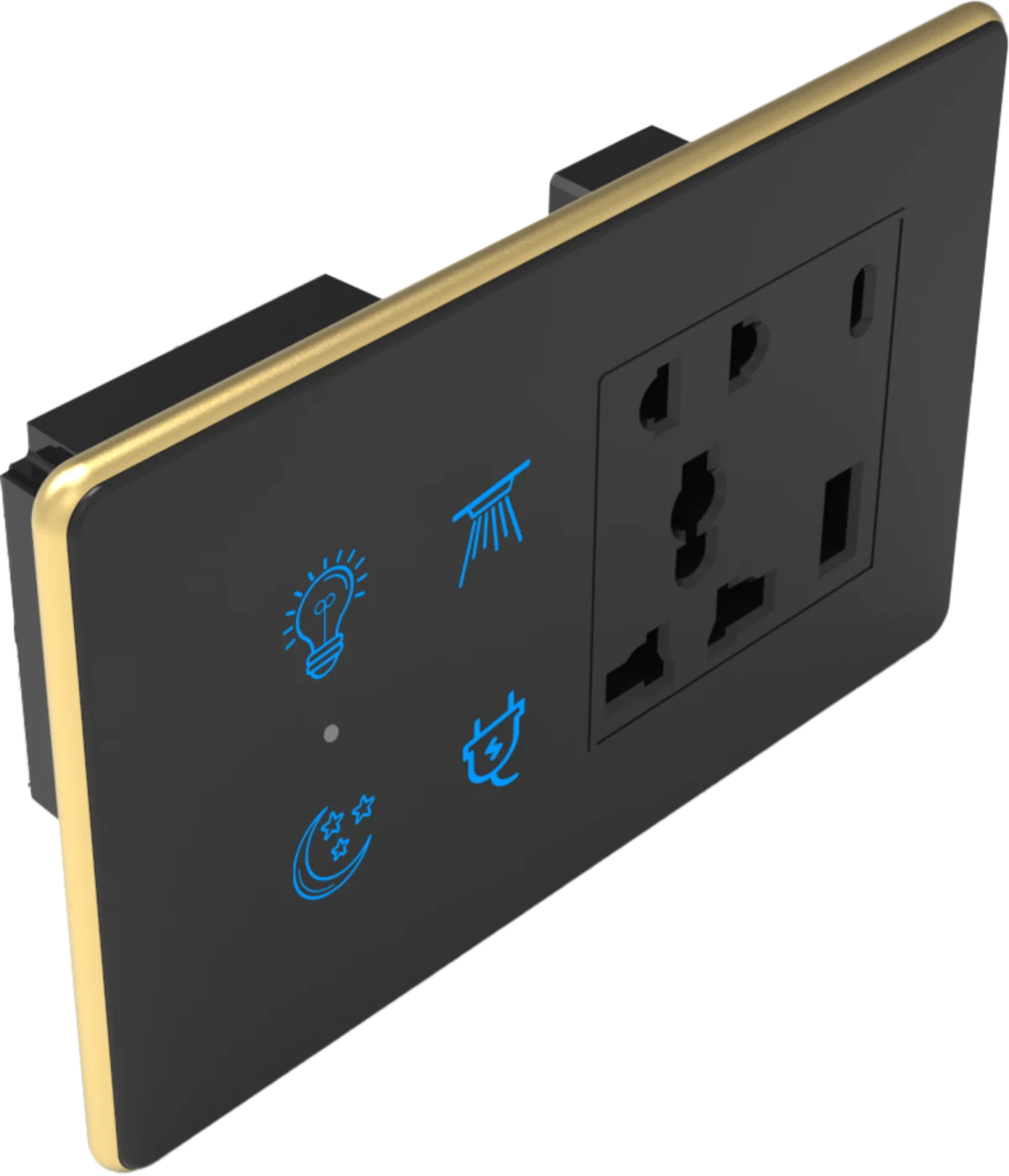
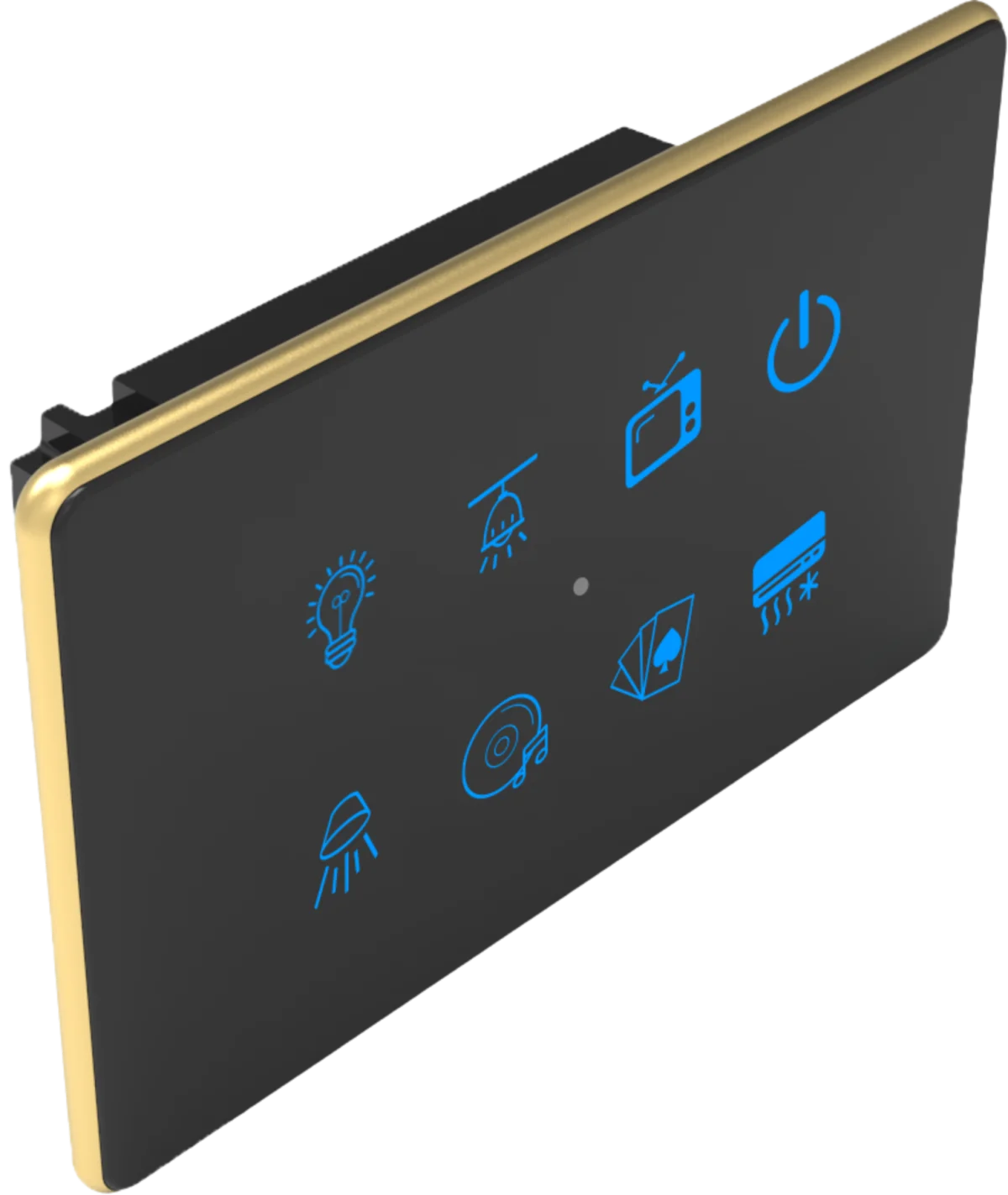
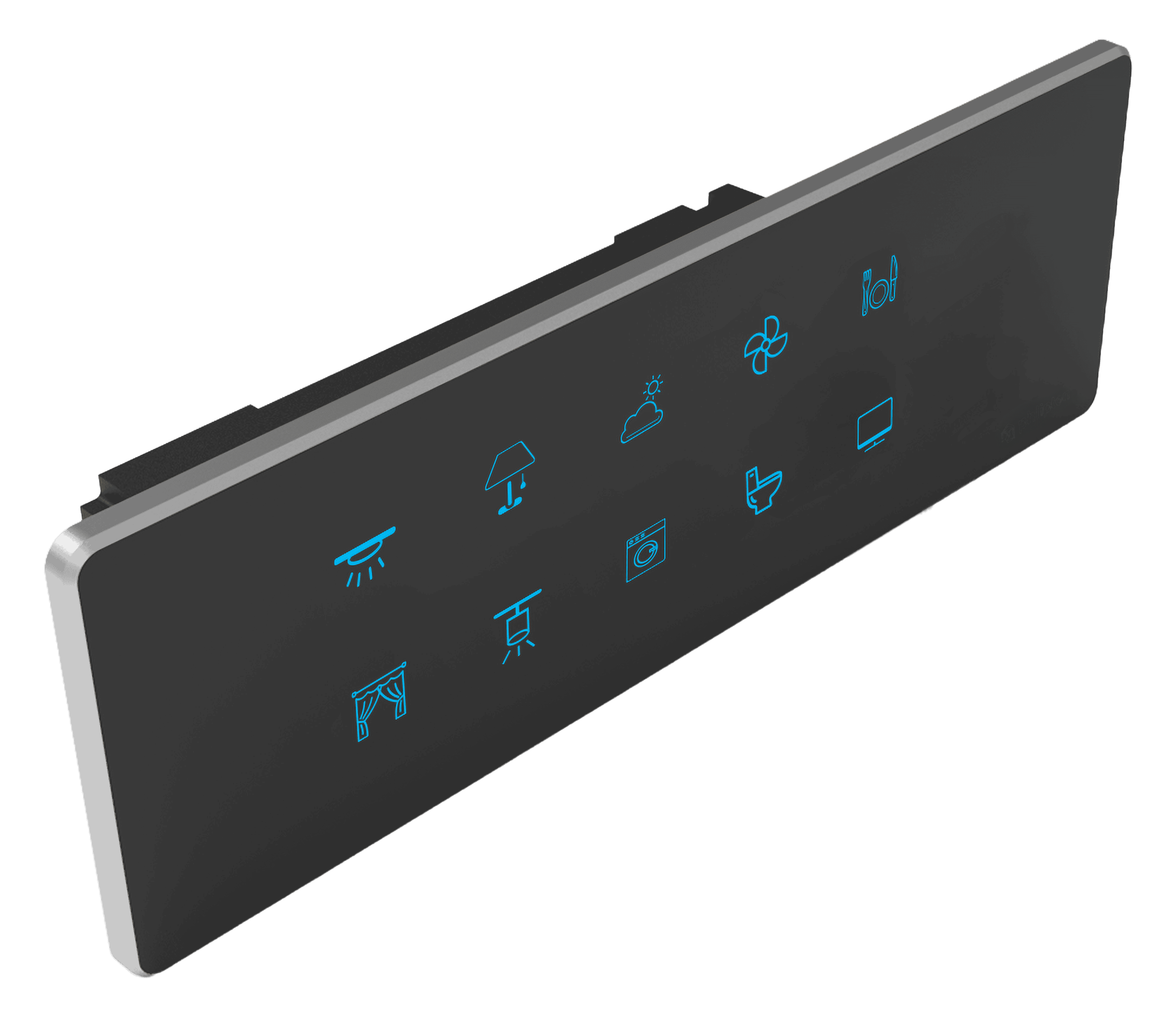
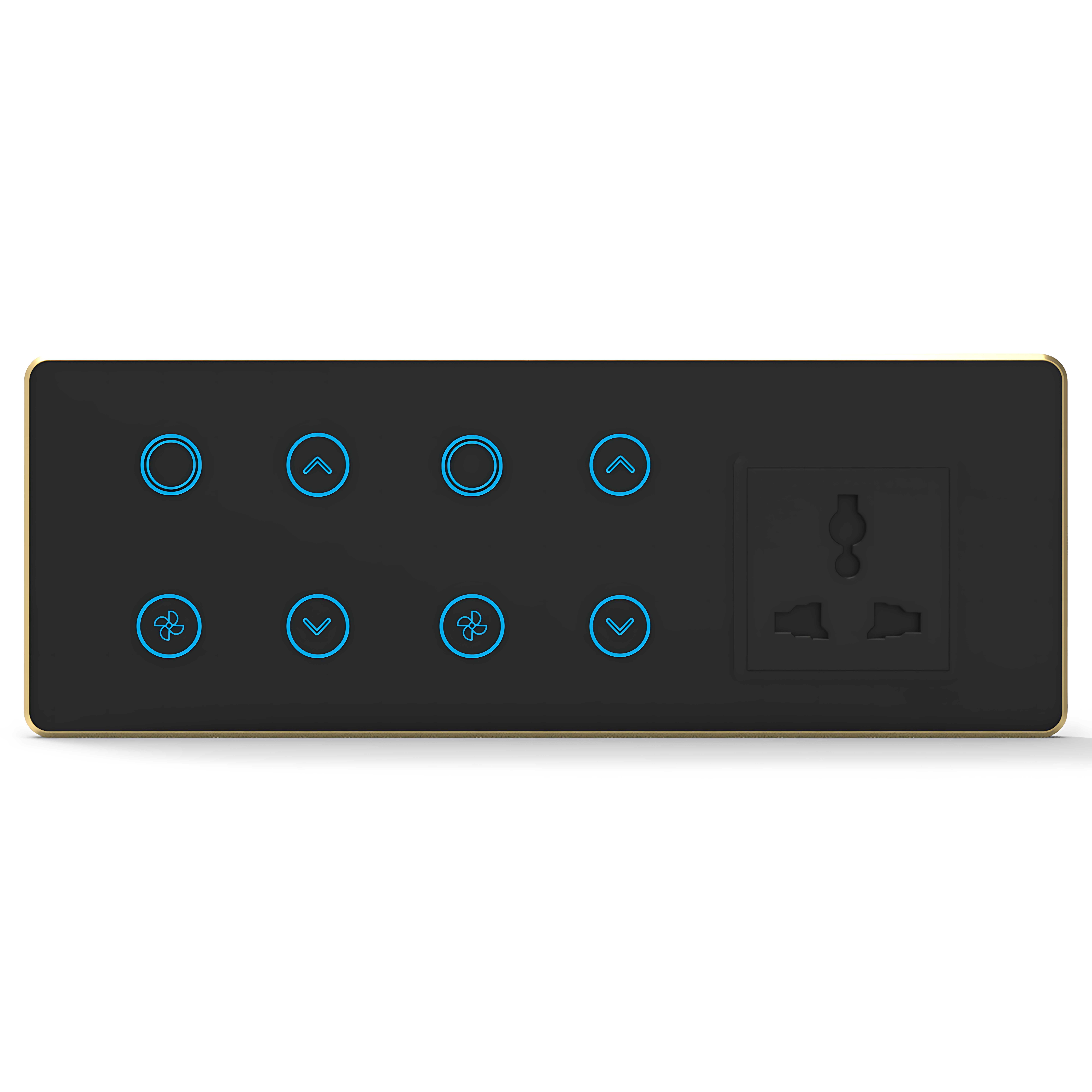
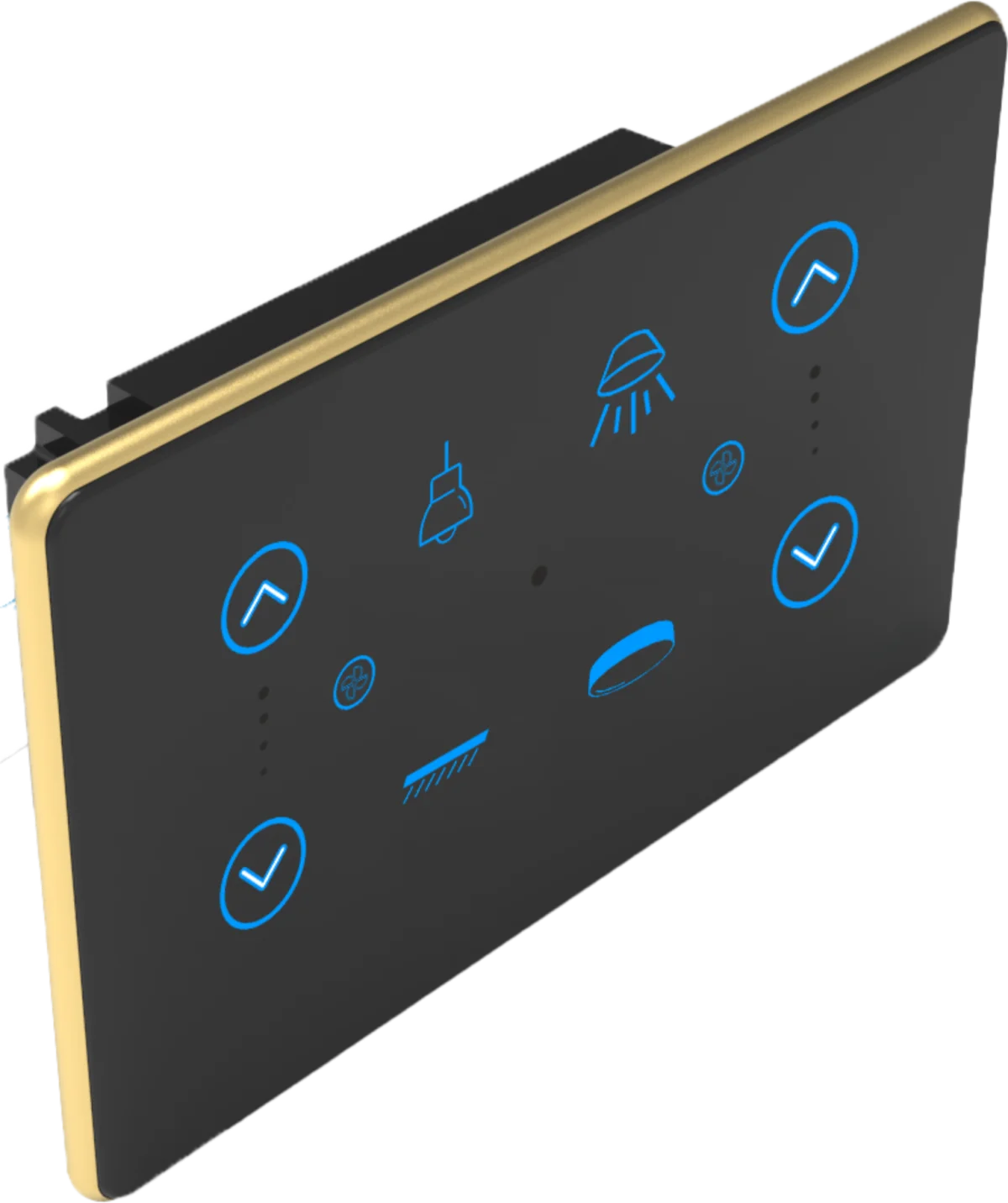
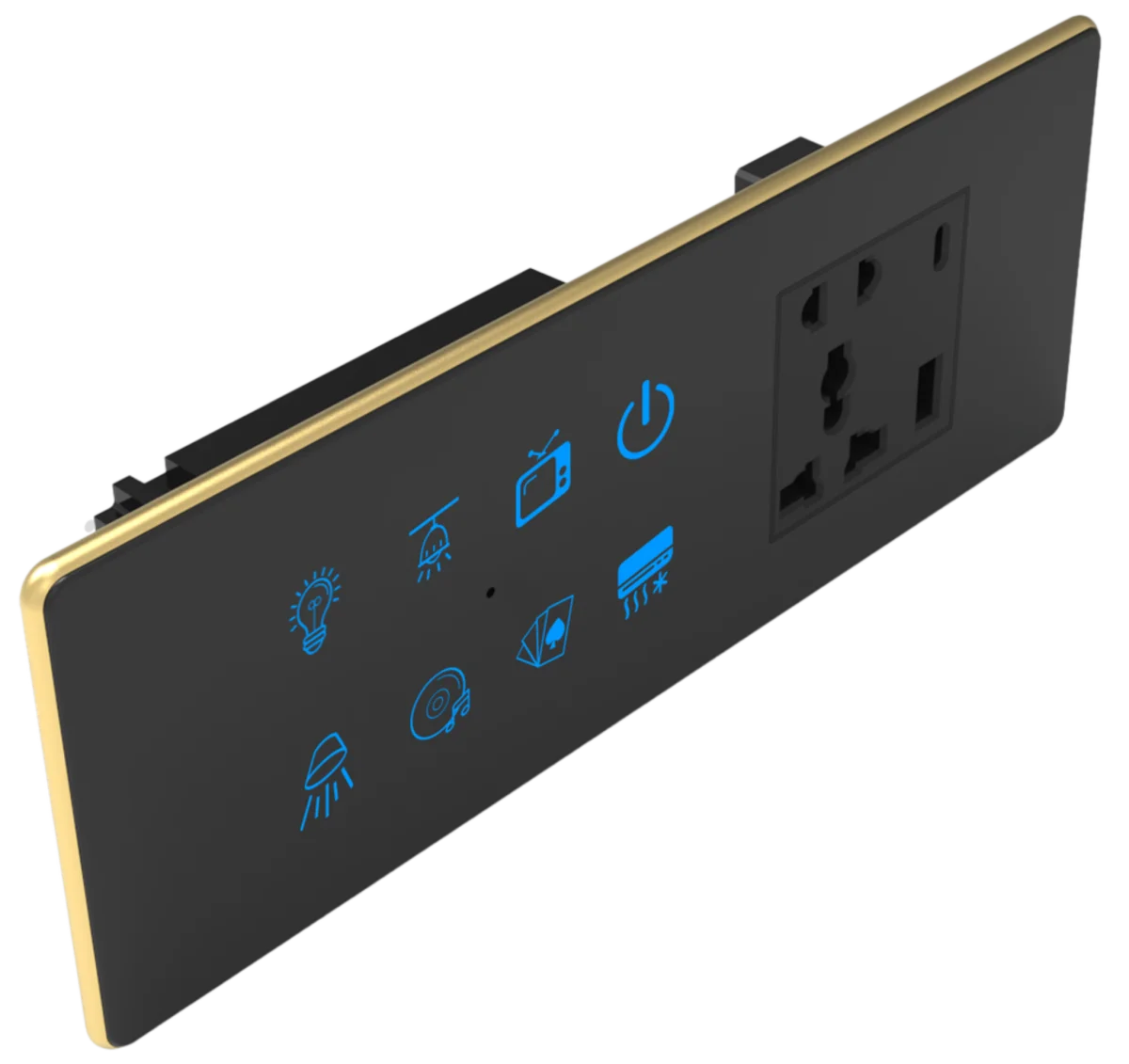
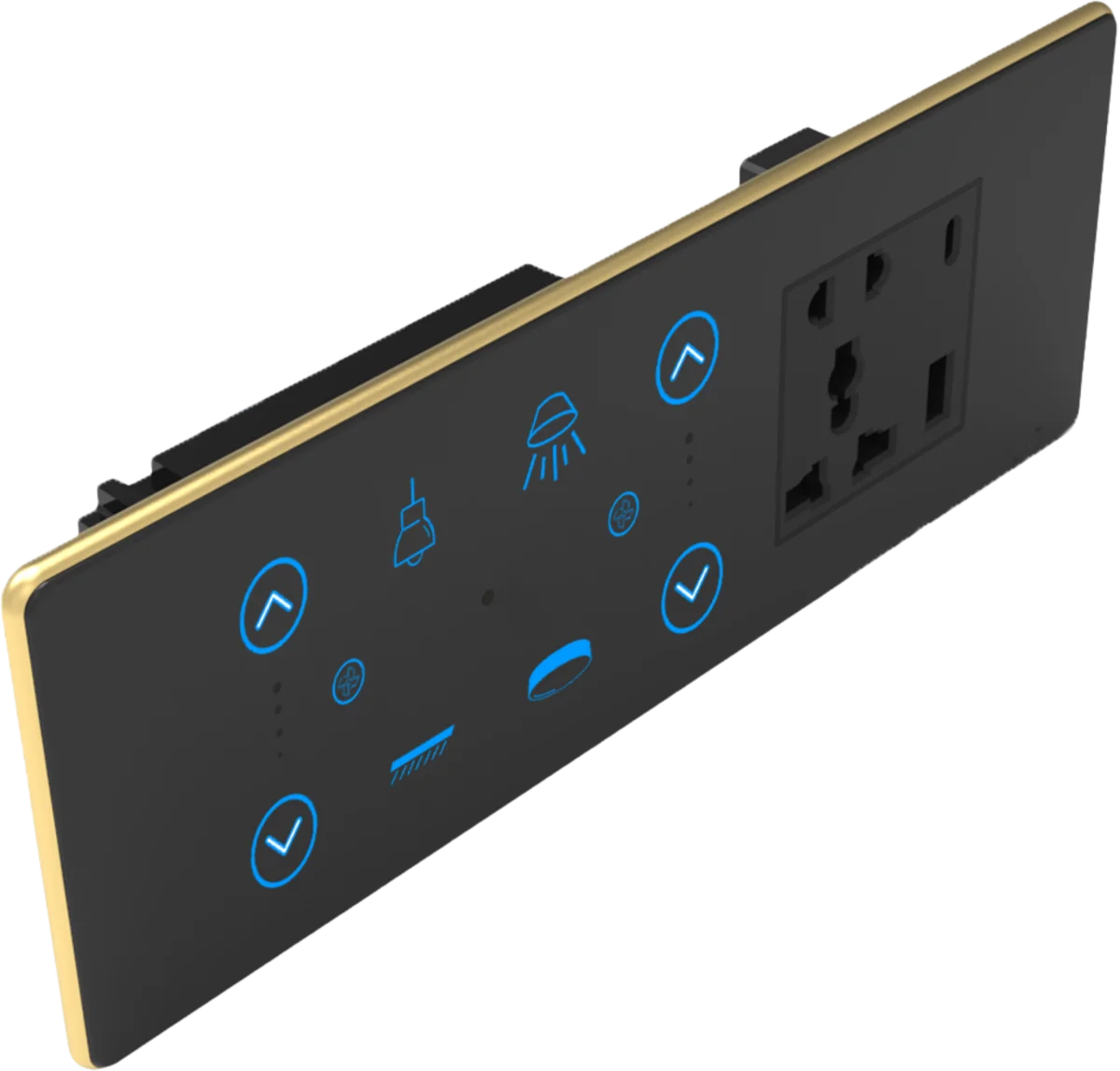
Zigbee is what we install in most Indian homes, and the reason is unglamorous: it is the only protocol where you can buy the whole home. Modular switch plates that fit 8M, 12M and 18M boxes, fan regulators that actually regulate fans, curtain motors, geyser controllers, door sensors — all of it exists in Zigbee, sold here, with someone local to call when it fails. No other protocol can say that in India.
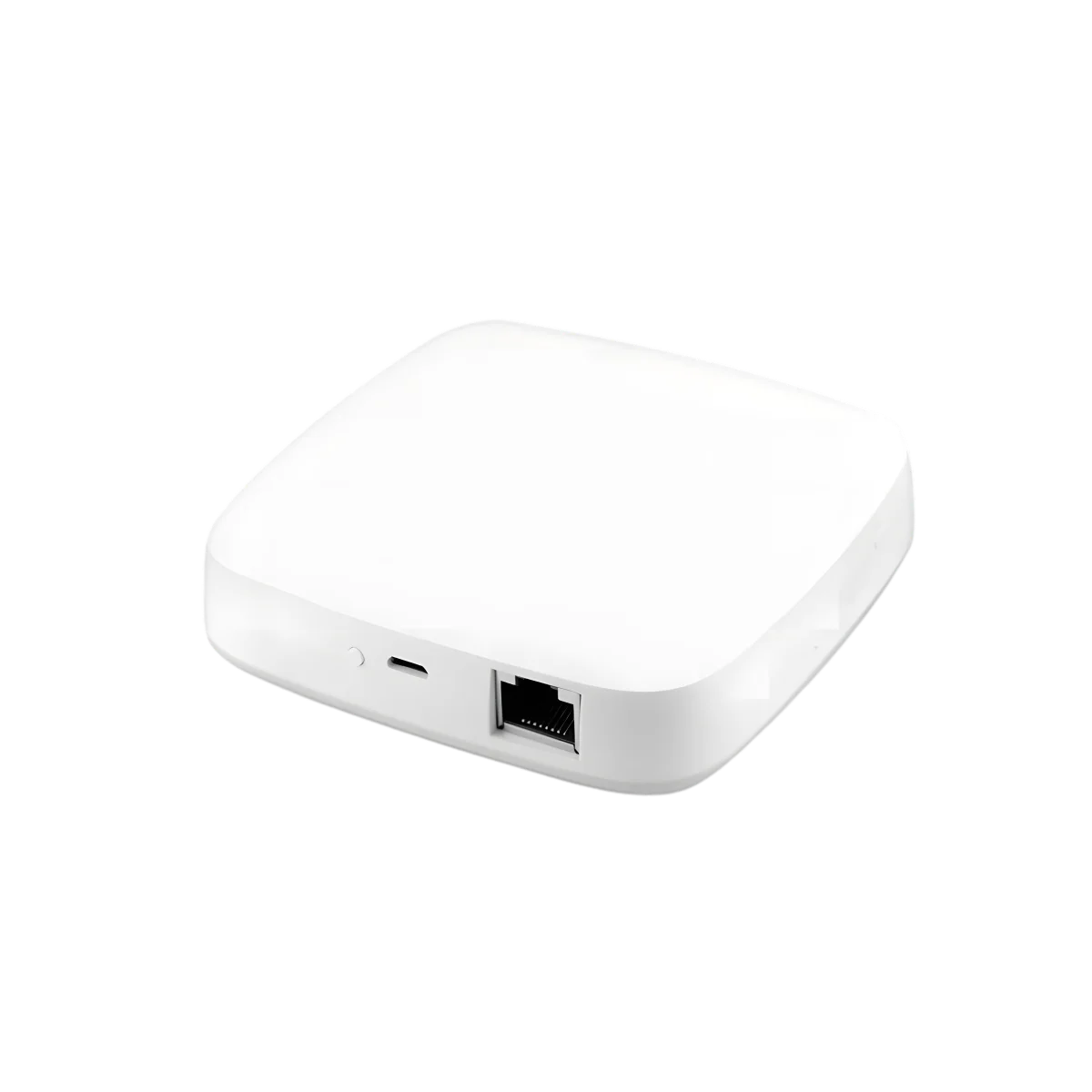
The trade you make is a hub. Zigbee devices do not talk to your router, so a gateway sits between them and your phone. That is ₹8,000–₹18,000 you do not spend on a Wi-Fi setup — and it is also the thing that keeps your scenes and schedules running when the broadband drops, which in most Indian homes is a weekly event rather than an emergency.
This page covers what Zigbee costs in an Indian home, where it beats Wi-Fi and Z-Wave, where it does not, and what to check before you buy. If you want the technical explainer instead, we have one in what is the Zigbee protocol.
System logic
How Zigbee works
Zigbee is a low-power radio mesh. The important consequence for you is that the network gets stronger as you add devices, rather than weaker — the opposite of what happens on Wi-Fi.
- 01
A hub anchors the network
The Zigbee gateway forms and holds the network, and it is the only device that talks to your router. Everything else talks to the gateway, directly or through other devices. One router client for a hundred and fifty devices.
- 02
Mains-powered devices become repeaters
Every switch, relay and plug you wire in also relays traffic for its neighbours. This is why a Zigbee network in a 3 BHK is more reliable than in a 1 BHK — more switches means more paths, and the mesh routes around a device that stops responding.
- 03
Battery devices stay asleep
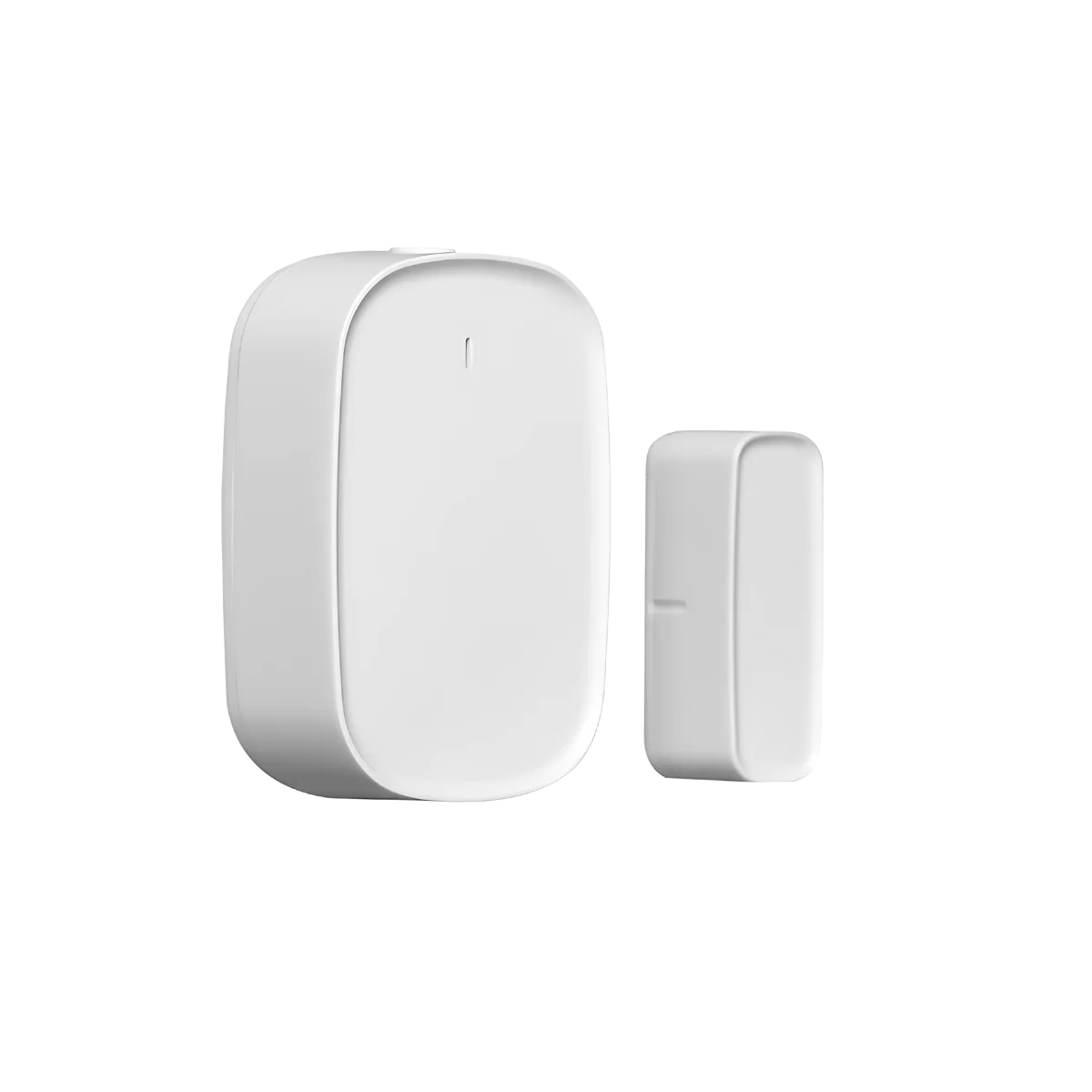
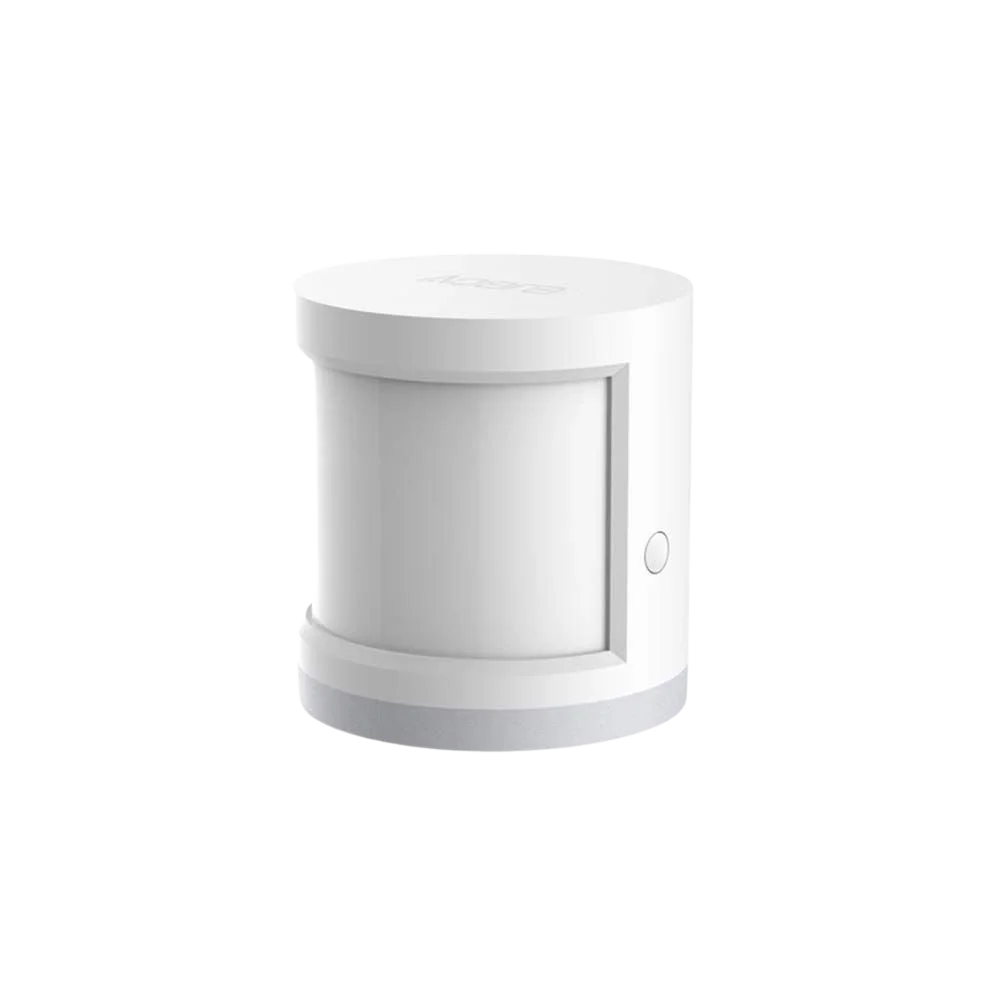
Sensors and buttons never repeat for anyone. They wake, send, and go back to sleep, which is how a coin cell lasts one to three years in an Indian door sensor. It also means adding twenty sensors does not slow the network down.
- 04
The hub runs your automations
Scenes, schedules and conditions execute on the gateway rather than in a data centre. That is the property worth checking when you buy one — a hub with a Zigbee radio that still round-trips every decision to a cloud server gives you none of the outage resilience you paid for.
Local conditions
Zigbee in Indian homes
Zigbee behaves differently in an Indian home than in the American ones its documentation was written for. Four things are worth knowing before you buy.
It is the only protocol with real Indian form factors
Our switchboards are modular and our loads are specific — fan regulation, geysers, 16A points for ACs. Zigbee is where Indian and China-sourced manufacturers actually build for those, in plates that fit our boxes. Z-Wave and Thread have almost nothing here, which is why the protocol argument usually ends before it starts.
No-neutral wiring is the real constraint, not the protocol
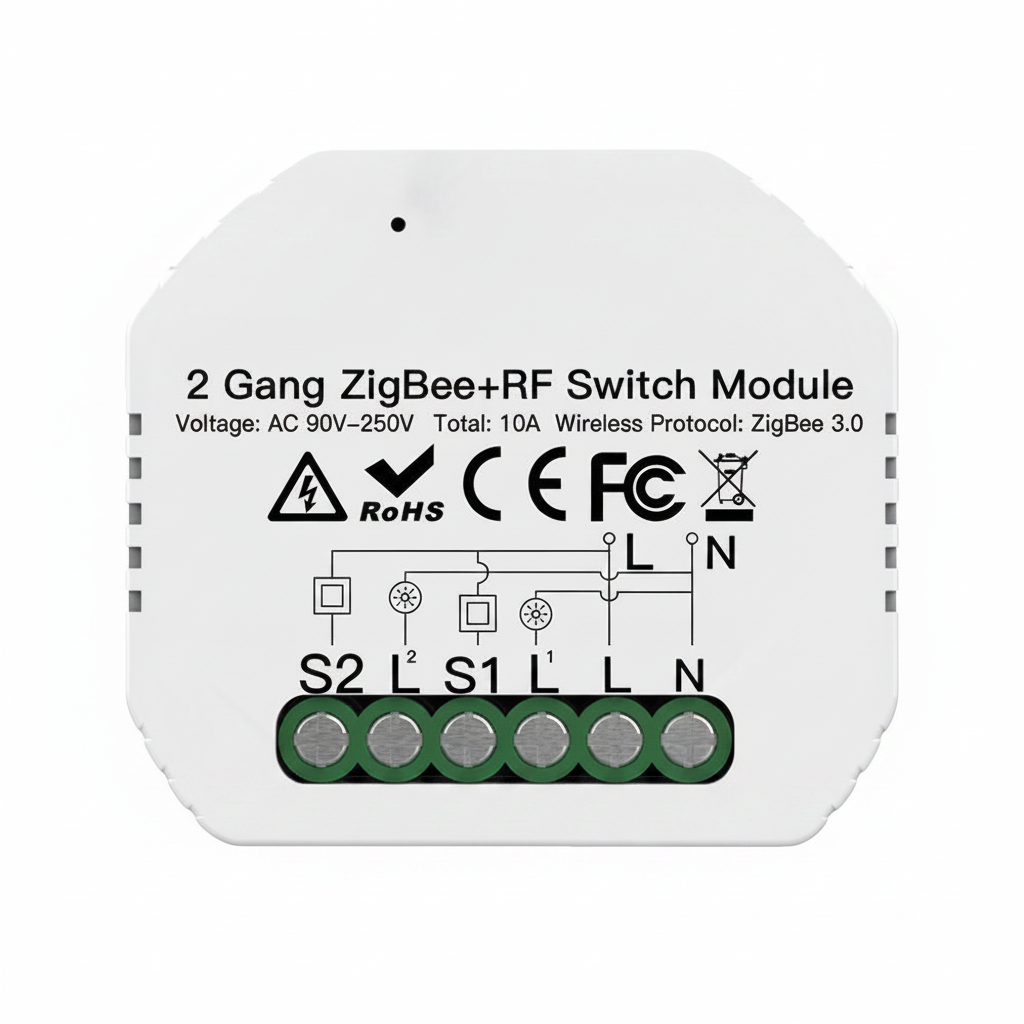
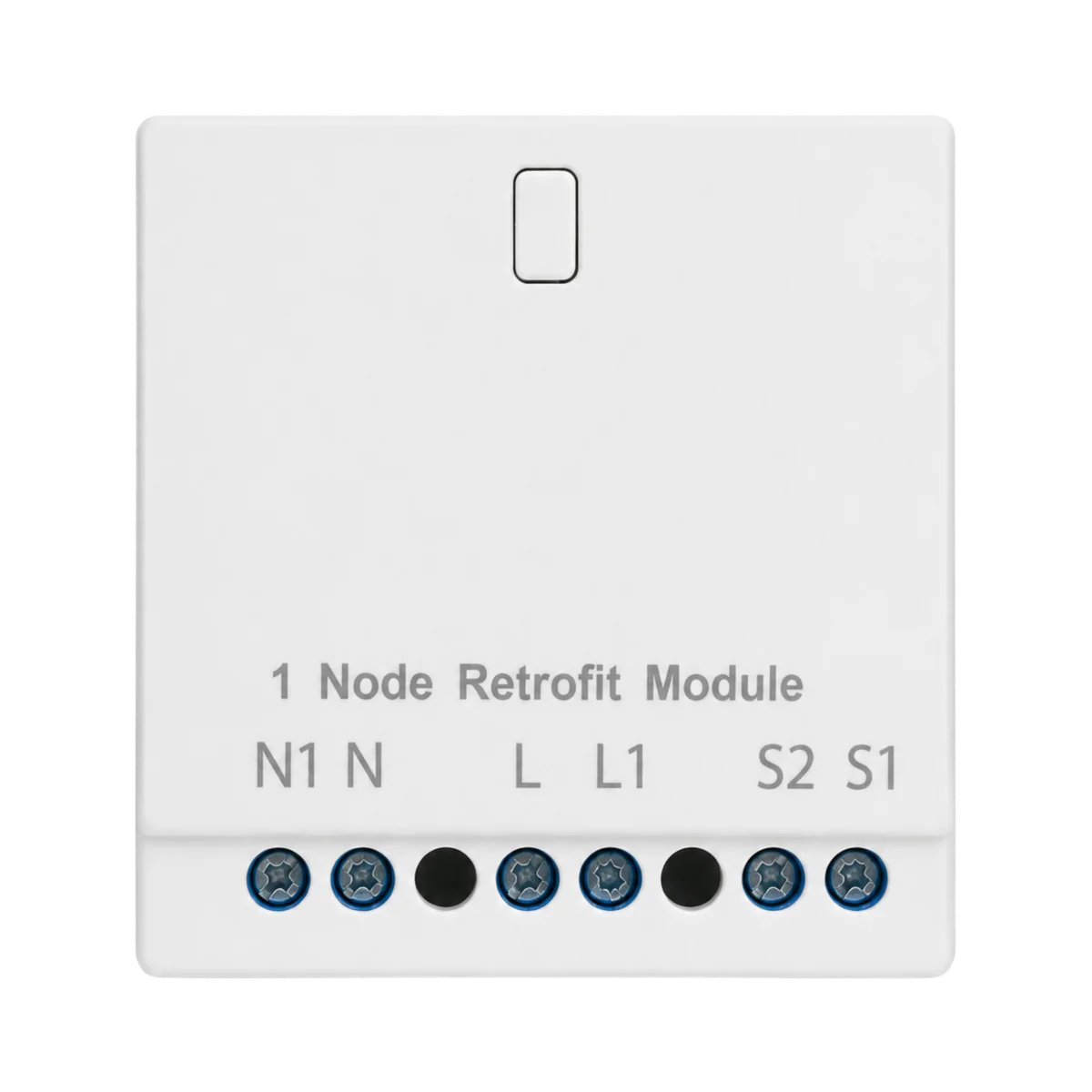
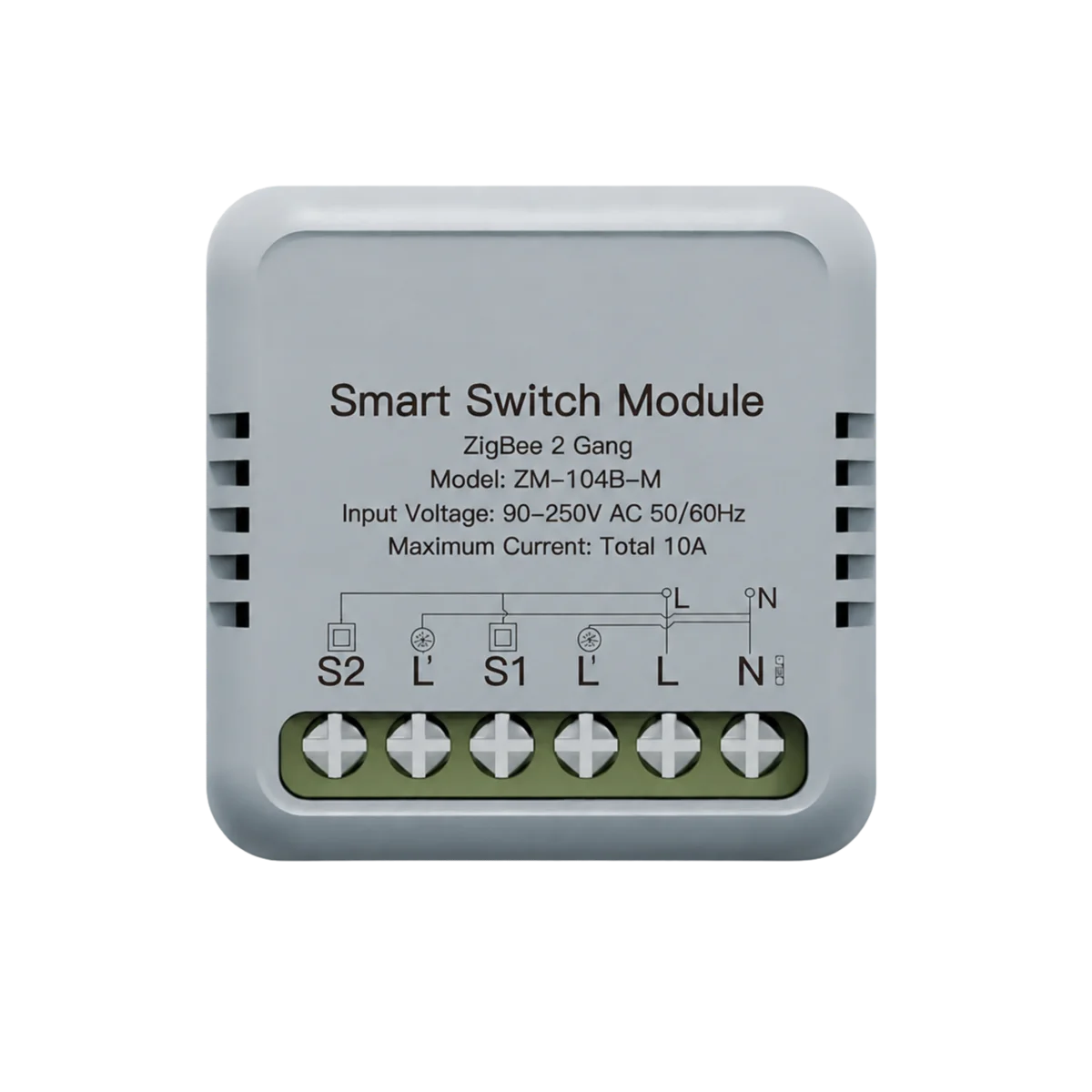
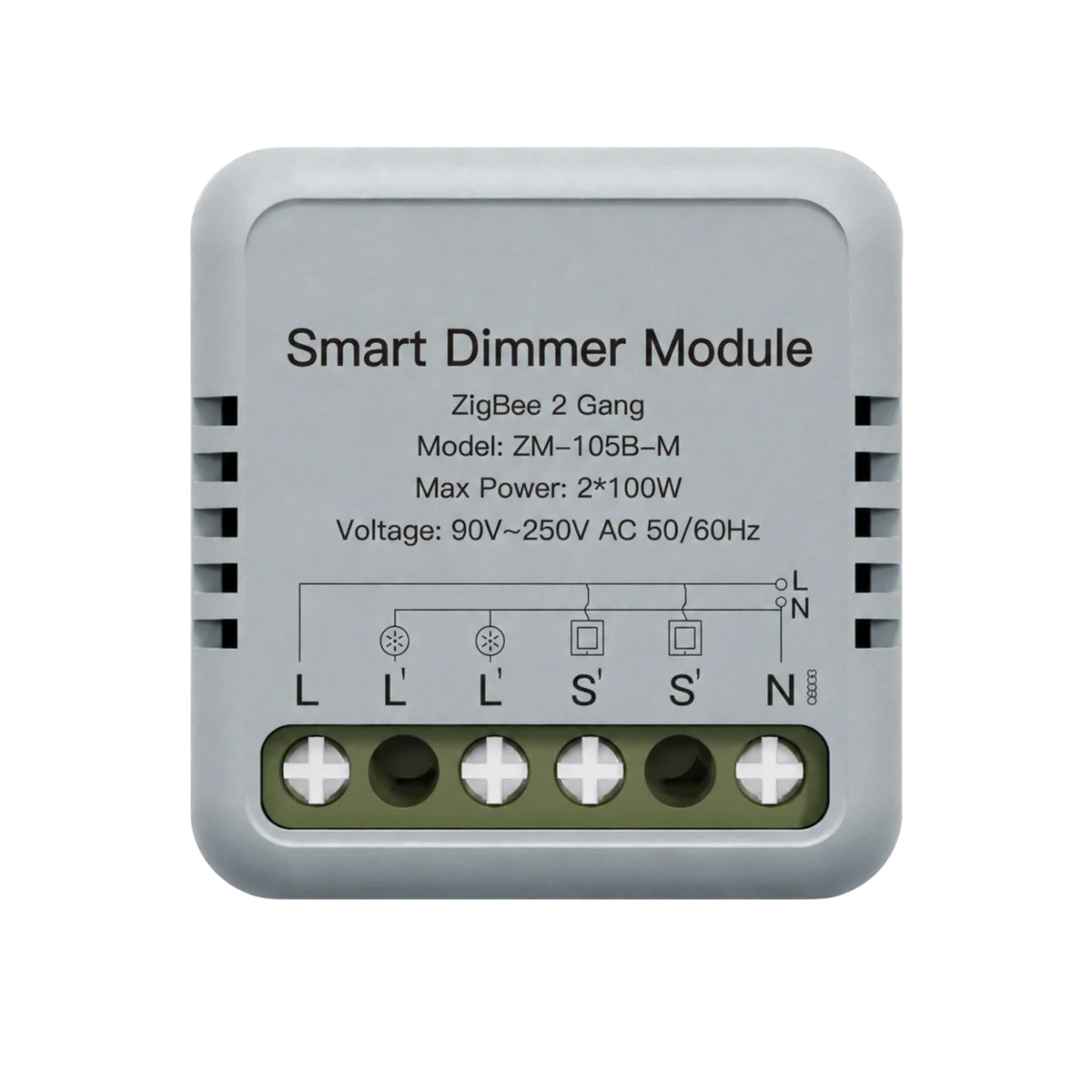
Many older Indian switchboards have no neutral at the switch, which rules out most smart switches regardless of protocol. Zigbee has the widest range of no-neutral modules and retrofit relays that sit behind the existing switch instead of replacing it — often the only workable route in a rented flat or a pre-2010 building.
2.4 GHz congestion is manageable, but real
Zigbee shares the band with Wi-Fi, and in a dense apartment building that band is crowded. The fix is almost always to move your Wi-Fi to channel 1 or 11 and leave the middle clear — a five-minute router change. If your building is genuinely saturated, sub-GHz Z-Wave is the protocol that sidesteps it.
Voltage tolerance matters more than the radio
180–260V swings and 45°C loft temperatures kill devices here, and no protocol protects against that. Zigbee certification says nothing about it. Check the electrical rating on the specific module, especially for anything going into a loft, a terrace, or behind a geyser.
Assessment
Strengths and trade-offs
What it does well
- The widest range of Indian modular switch plates, fan regulators and retrofit modules
- Mesh gets stronger with every mains-powered device you add
- Battery sensors run one to three years on a coin cell
- Uses one router client no matter how many devices you have
- Keeps working through a broadband outage with a local hub
- Cheaper per device than Z-Wave, usually by 20–40%
Where it falls short
- Needs a hub — ₹8,000–₹18,000 before your first device
- Shares the crowded 2.4 GHz band with Wi-Fi and Bluetooth
- Shorter range per hop than Z-Wave, so thick walls need more repeaters
- Cross-brand behaviour can be inconsistent despite Zigbee 3.0 certification
- Cheap unbranded modules often skip the voltage tolerance Indian homes need
Fit check
Where Zigbee fits
Choose Zigbee if
- Whole-home automation in a 2 BHK and upwards
- Homes with lots of battery sensors — doors, motion, water leak
- Retrofits where no-neutral modules or behind-the-switch relays are the only option
- Anyone who wants scenes and schedules to survive an internet outage
- Buyers who want a Matter path later without replacing hardware
Look elsewhere if
- A single device in one room — Wi-Fi is simpler and cheaper for that
- Cameras and anything streaming video, which need Wi-Fi bandwidth
- Villas or duplexes with very thick masonry, where Z-Wave carries better
- New construction being wired from scratch at scale, where KNX may be the better long-term call
Reference
Zigbee specifications
| Type | Low-power wireless mesh (IEEE 802.15.4) |
|---|---|
| Hub required | Yes — a Zigbee gateway₹8,000–₹18,000 |
| Frequency | 2.4 GHz |
| Works offline | Yes, with a hub that processes locally |
| Devices per network | Up to 65,000 in theory; a few hundred in practice |
| Range per hop | 10–20 m indoors, depending on walls |
| Typical battery life | 1–3 years on a coin cell for sensors |
| Current version | Zigbee 3.0 — unifies the older application profiles |
| Security | AES-128 encryption, network and link keys |
| Governing body | Connectivity Standards Alliance (CSA) |
| Matter path | Via a bridging hub — no need to replace devices |
| Indian availability | Excellent — the widest device range of any protocol here |
Procurement
Buying Zigbee in India
The hub decides how good your Zigbee system is, far more than the individual devices. Buy that first and buy it properly; the switches and sensors are comparatively interchangeable.
Before you buy, check
Confirm the hub runs automations locally, not just that it has a Zigbee radio
Check the hub can bridge to Matter if you want multi-platform control later
For switches, confirm the plate fits your modular box size (8M, 12M, 18M) before anything else
Check whether your switchboard has a neutral wire; if not, you need no-neutral modules or retrofit relays
Verify the voltage rating — 180–260V tolerance for Indian conditions
For fan control, confirm it is a proper fan regulator, not a dimmer relabelled as one
Prefer Zigbee 3.0 devices for cross-brand consistency
Confirm who holds the Indian warranty and who services it
Cost
What it costs
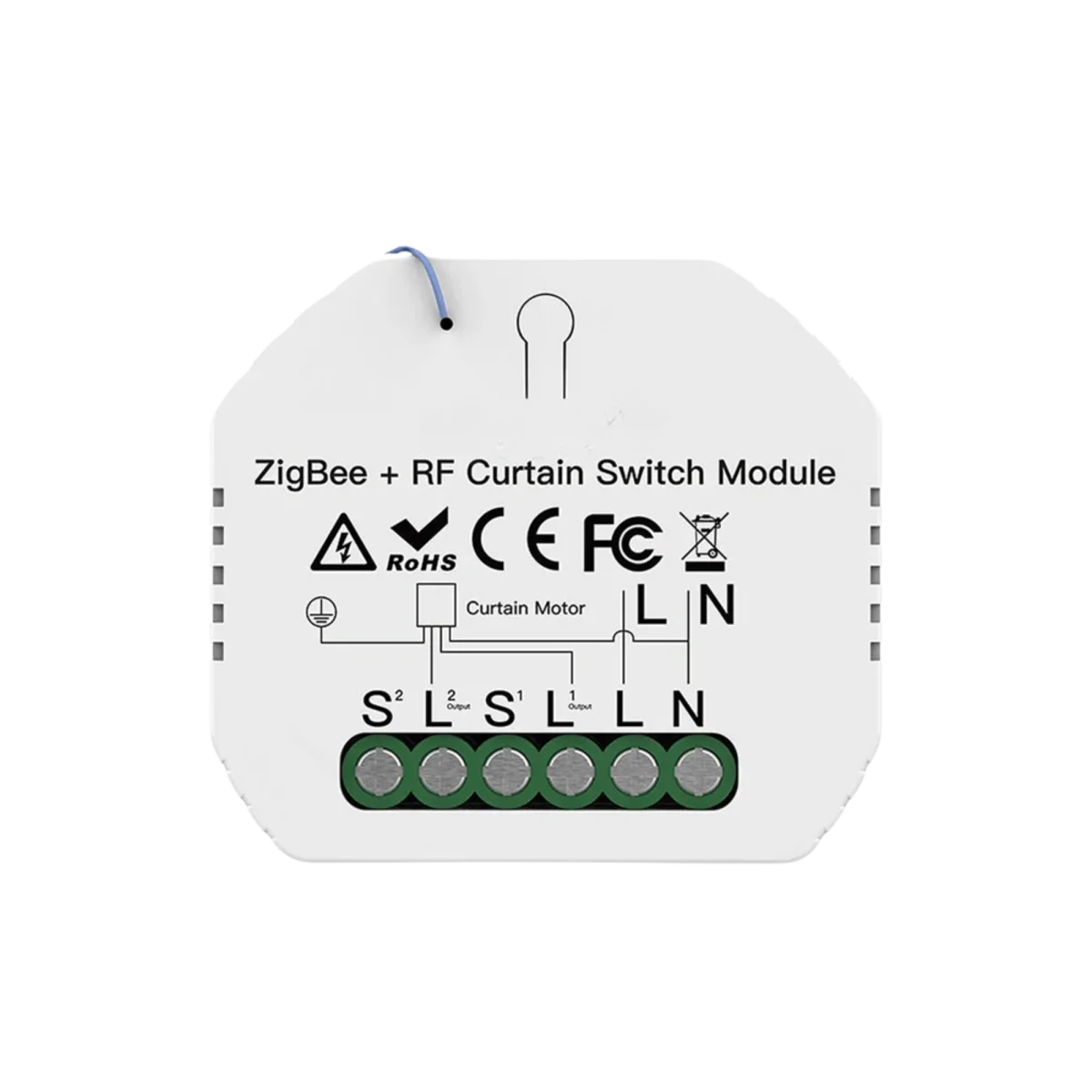
Budget ₹8,000–₹18,000 for a good hub, ₹2,000–₹4,500 per smart switch module, ₹1,500–₹3,000 per sensor, and ₹6,000–₹12,000 for a curtain motor. A typical 3 BHK with 40–60 points lands between ₹1.5L and ₹4L installed, depending on the plate finish and how much curtain and climate control you include.
Controller
Do you need a hub?
Always. Zigbee devices do not talk to your router directly. One gateway covers a normal flat; large or multi-floor homes may need a second, or simply enough mains-powered devices in between to extend the mesh.
Reality check
Zigbee: claims and reality
Claim
Zigbee devices from different brands always work together.
Reality
Basic functions do — on/off, dimming, sensor reports. Vendor-specific features often need that vendor's hub or app. Zigbee 3.0 narrowed the gap considerably but did not close it.
Claim
More devices will slow the network down.
Reality
The opposite, up to a point. Every mains-powered device you add is another repeater and another route. Zigbee networks in larger homes are typically more reliable, not less.
Claim
Zigbee and Wi-Fi cannot coexist.
Reality
They share 2.4 GHz and can contend, but the fix is a router channel change, not a different protocol. Put Wi-Fi on channel 1 or 11 and leave the middle of the band clear.
Claim
Matter makes Zigbee obsolete.
Reality
Matter is a layer above the radio. Zigbee devices reach Matter controllers through a bridging hub and keep working exactly as before — which is currently the most practical route to Matter in India.
Ecosystem
What Zigbee works with
Platforms
- Amazon Alexa
- Google Home
- Apple Home (via a bridging hub)
- Samsung SmartThings
- Home Assistant
Hubs and controllers
- Smartify Core LAN gateway
- Smartify Core Matter gateway
- SmartThings
- Home Assistant with a Zigbee stick
- Amazon Echo (4th gen, built-in Zigbee)
A hub that advertises Matter bridging exposes your Zigbee devices to Apple Home, Alexa and Google Home at once — the practical way to get Matter's multi-platform benefit on hardware that is actually sold in India.
Common questions
Common questions about Zigbee hubs in India
What is a Zigbee gateway, and which Smartify gateways are there?
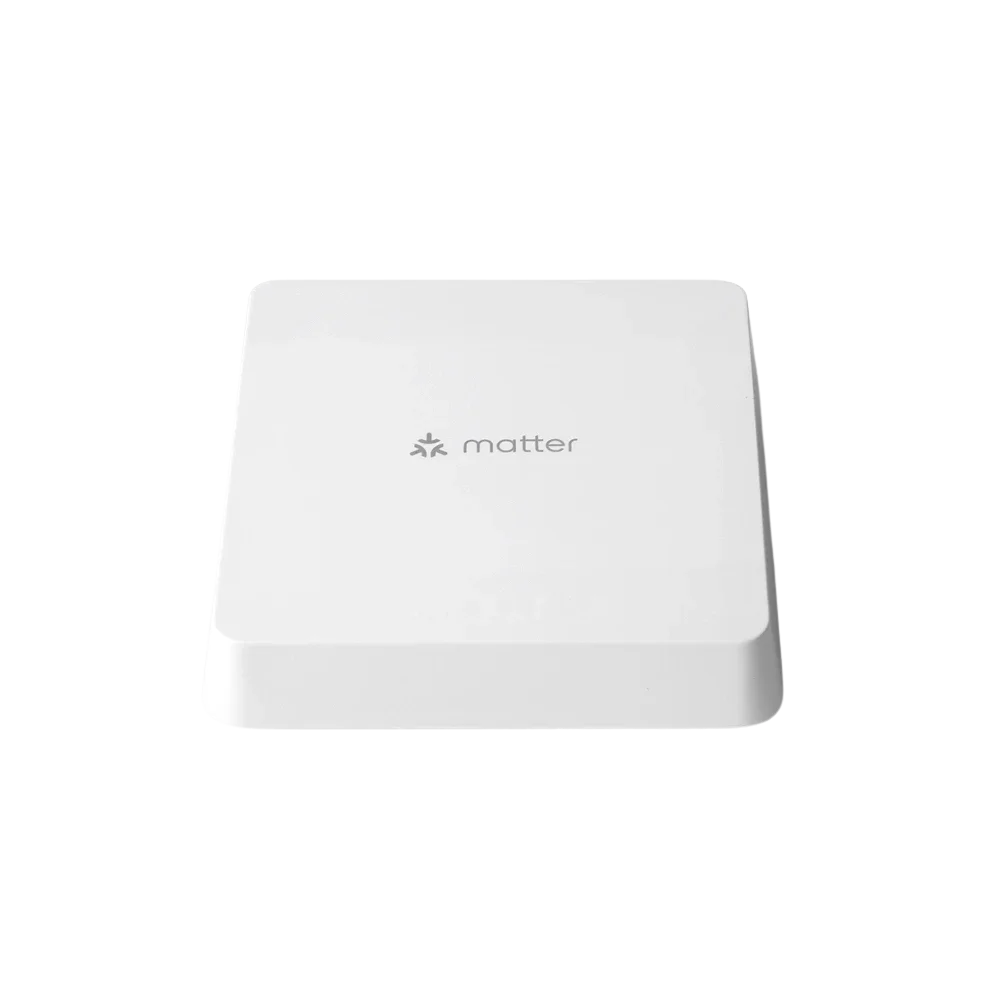
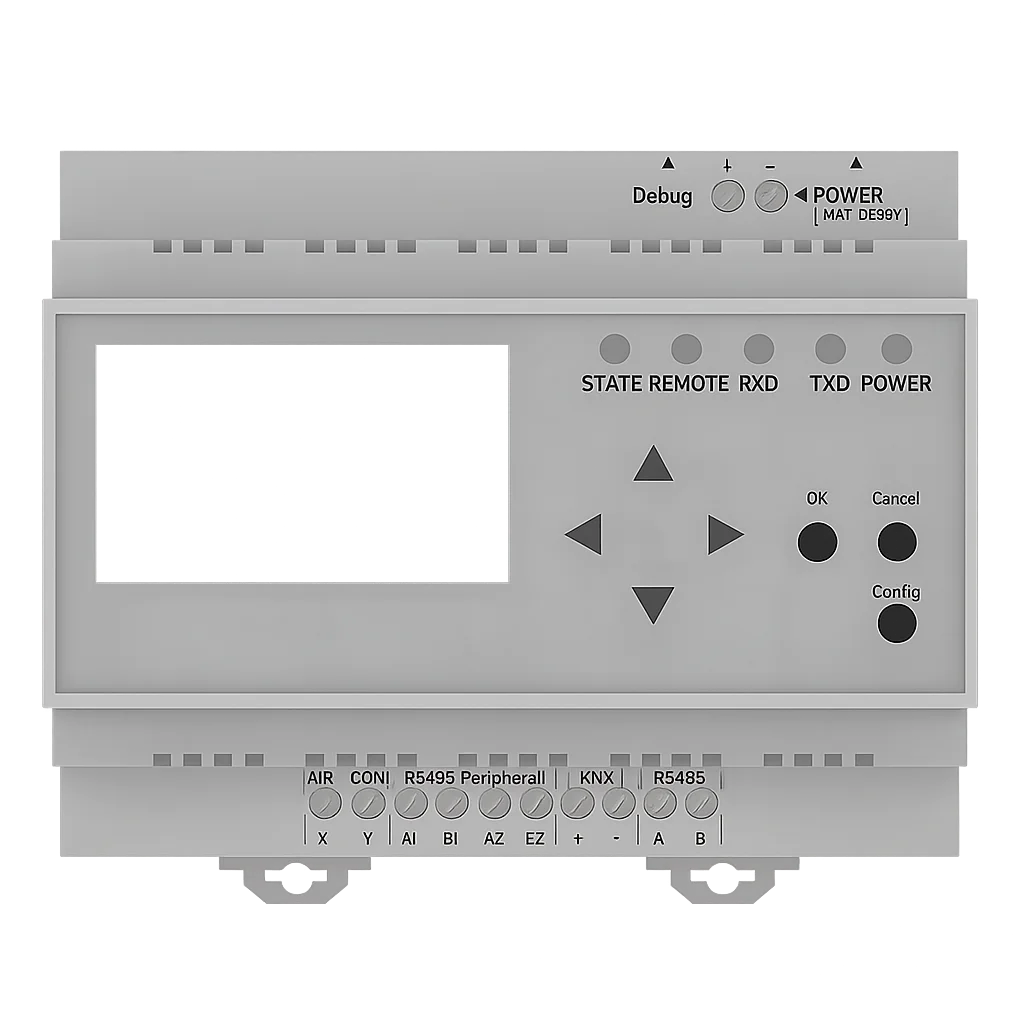
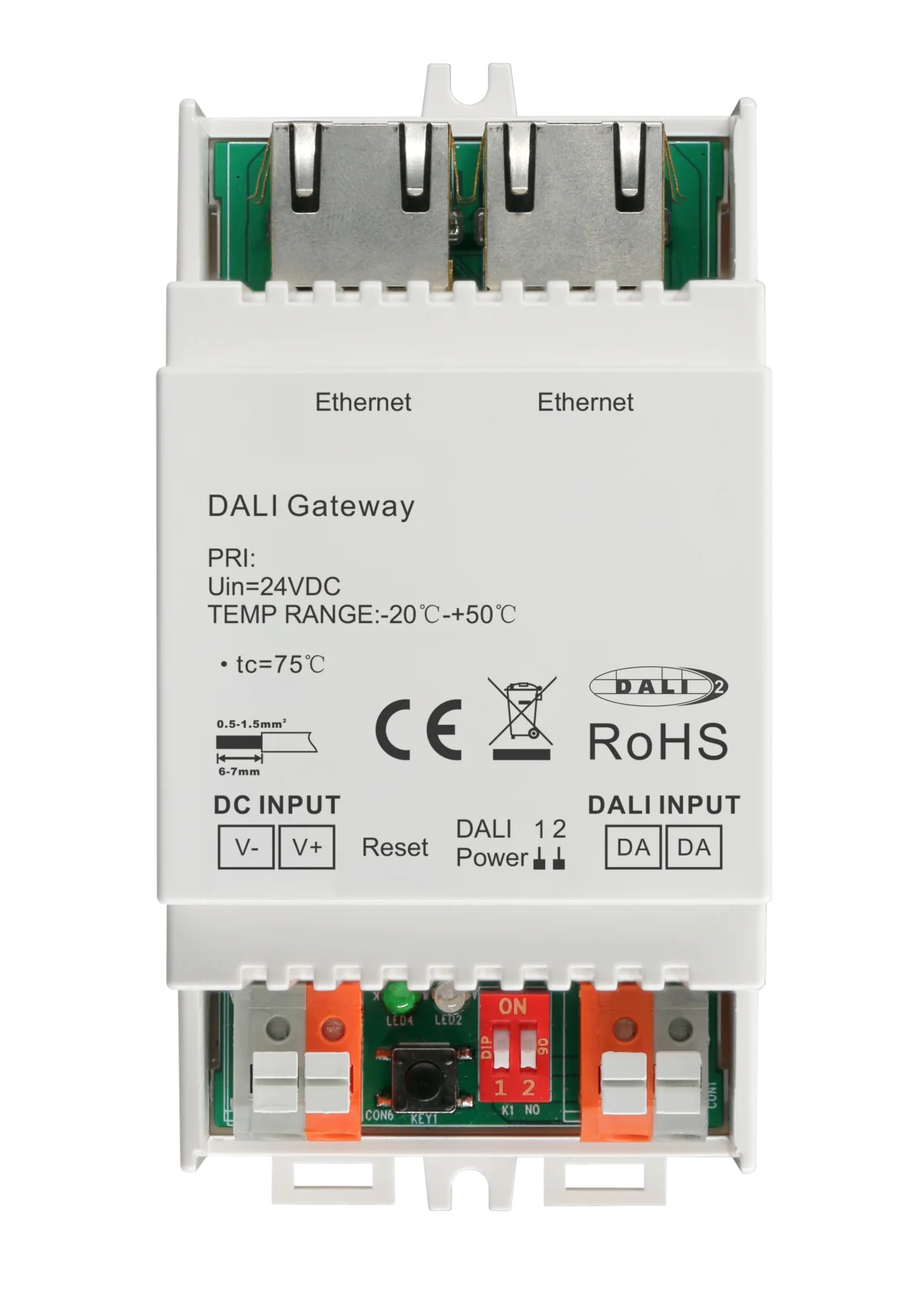
A Zigbee gateway, also called a hub or coordinator, is the small box that forms your Zigbee network and pairs every switch, sensor and module to it. It does not switch any load itself. Smartify sells two for homes: Core LAN, a wired Zigbee 3.0 coordinator that connects to your router by Ethernet and handles up to 128 Zigbee devices, and Core Matter, which does the same job and adds a Matter bridge so Apple Home can see the same devices. Specialist gateways also exist for VRV air conditioning (Core VRV), DALI lighting (Core DALI) and KNX-based premium homes (Convergia).
Zigbee vs Wi-Fi smart switches: do I need a hub?
For Zigbee, yes: every Zigbee switch, sensor and relay needs a gateway to work. Wi-Fi only, no hub switches skip that box, which suits one or two rooms, but each one joins your router as a separate client and typically depends on the brand's cloud and app. Past a handful of devices we recommend Zigbee: the gateway is the only thing your router sees, and when it is run locally through Home Assistant a cloud outage does not take your lights with it. See Wi-Fi vs Zigbee vs Z-Wave for the full comparison.
Zigbee vs Matter vs Z-Wave: which should I choose?
For the switches and sensors in your walls, choose Zigbee, and add Matter on top if you use Apple Home. They are not direct rivals: Zigbee is the radio network your devices talk on, Matter is a common language that lets Apple Home, Google Home and Alexa control them, and Z-Wave is a separate sub-GHz mesh that needs its own controller. All Smartify devices use Zigbee 3.0, and Core Matter bridges them into Matter, so nothing needs replacing. More detail: Matter in India and Z-Wave.
Does Zigbee work with Alexa, Google Home, Apple Home and Home Assistant?
Yes, through the right gateway. Core LAN works with Home Assistant (via ZHA or Zigbee2MQTT), Amazon Alexa and Google Home. For Apple Home, choose Core Matter: it exposes your Zigbee devices through Matter to Apple Home, Google Home and Alexa, and Apple Home needs a HomePod mini or Apple TV 4K acting as the Matter controller. Home Assistant is the fully local, no-cloud option and the one our documentation recommends.
Do my lights still work if the internet goes down?
Yes, if your system is set up for local control. Zigbee devices talk to the gateway over a local radio mesh, and our documentation describes Home Assistant control as local with no cloud required, so switching and automations keep running through an internet outage. What stops is anything that needs the internet itself, such as controlling the home from outside; our documentation does not promise offline voice control through Alexa or Google. Core LAN needs a working LAN connection to operate, so keep the router and gateway on backup power if cuts are common. Typical Wi-Fi only, no hub switches, by contrast, depend on the brand's cloud and can stop responding when it does.
Do Zigbee switches need a neutral wire?
It depends on the module, not the protocol. Standard Smartify switches and retrofit relays need Live, Neutral and Load wires at the switch box. If yours has no neutral, do not rewire blind: for older or non-standard wiring we customise the installation to your home. Read smart switch without a neutral wire in India before you decide.