Overview
Thread, in practical terms.
Thread is the protocol most people end up asking about after they decide they want Matter. The practical question is not what Thread does — it is whether you should let it decide what hardware you buy, and in an Indian home in 2026 the answer usually depends on one thing: whether you are willing to own a border router.
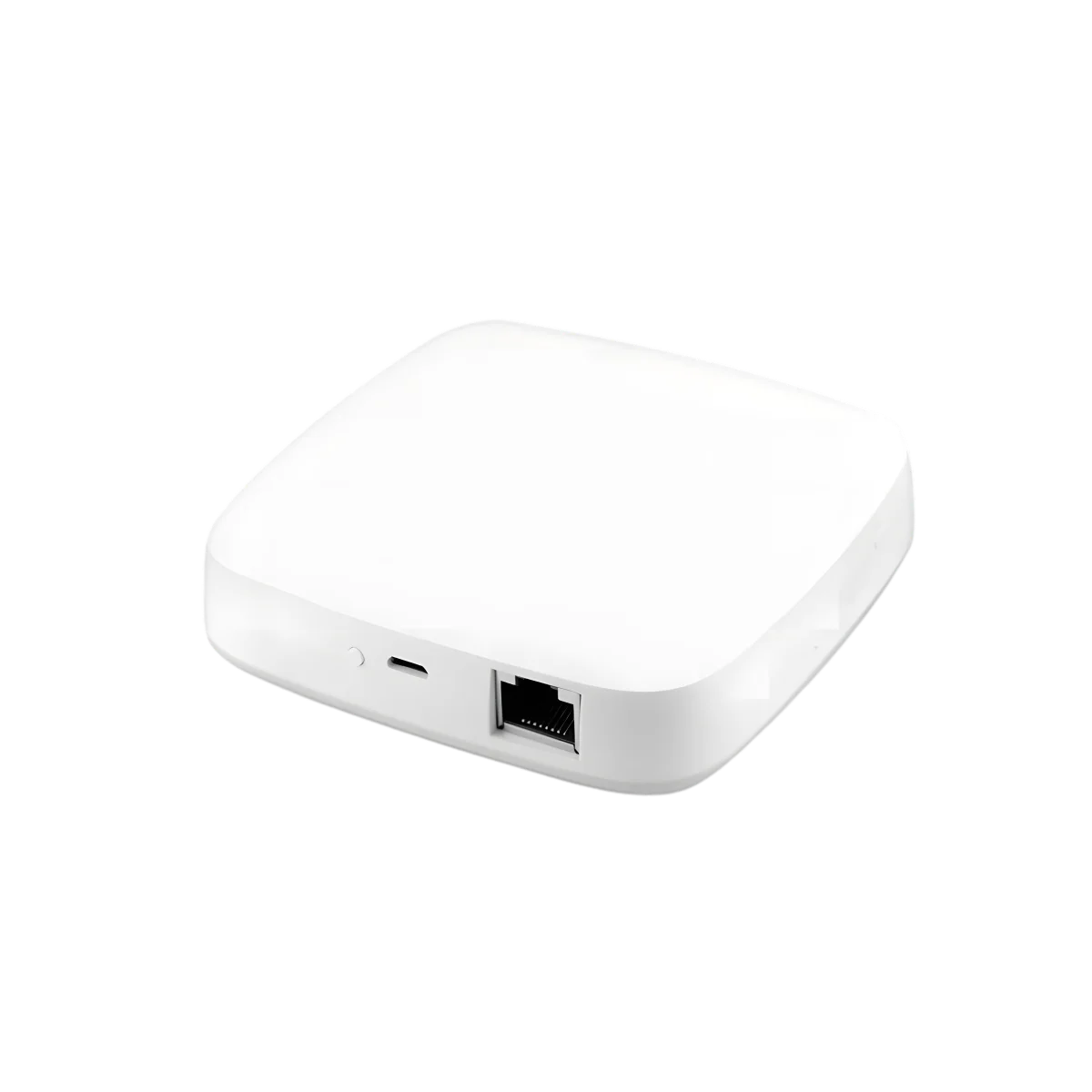
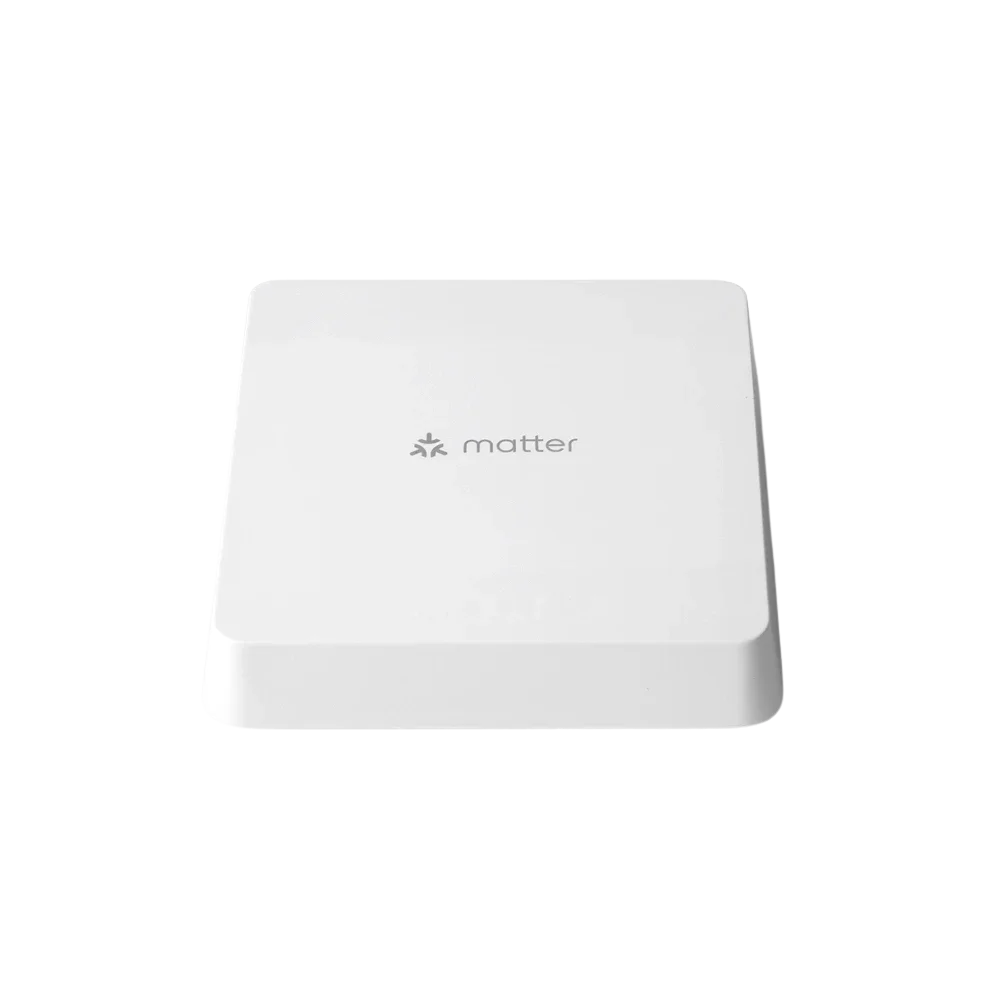
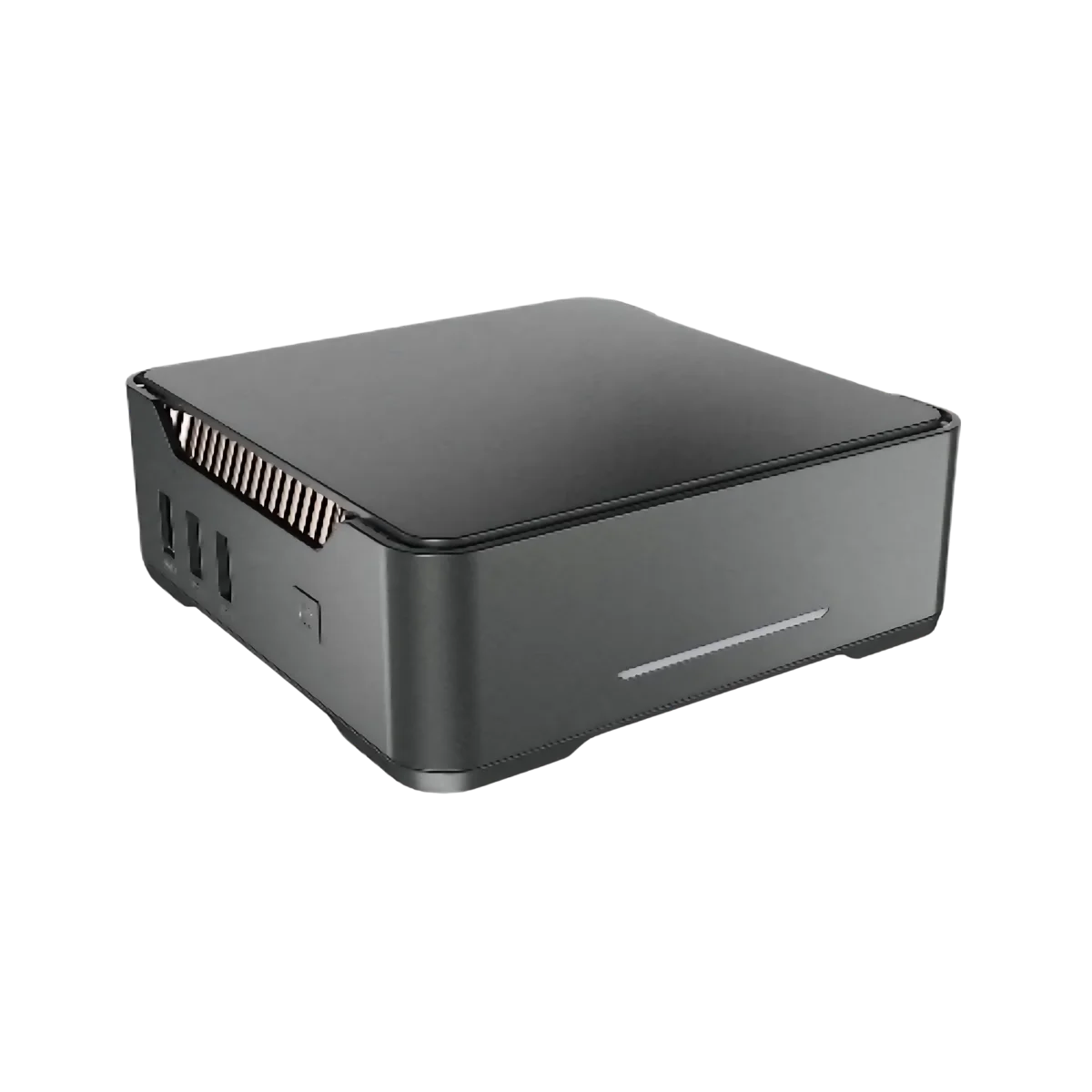
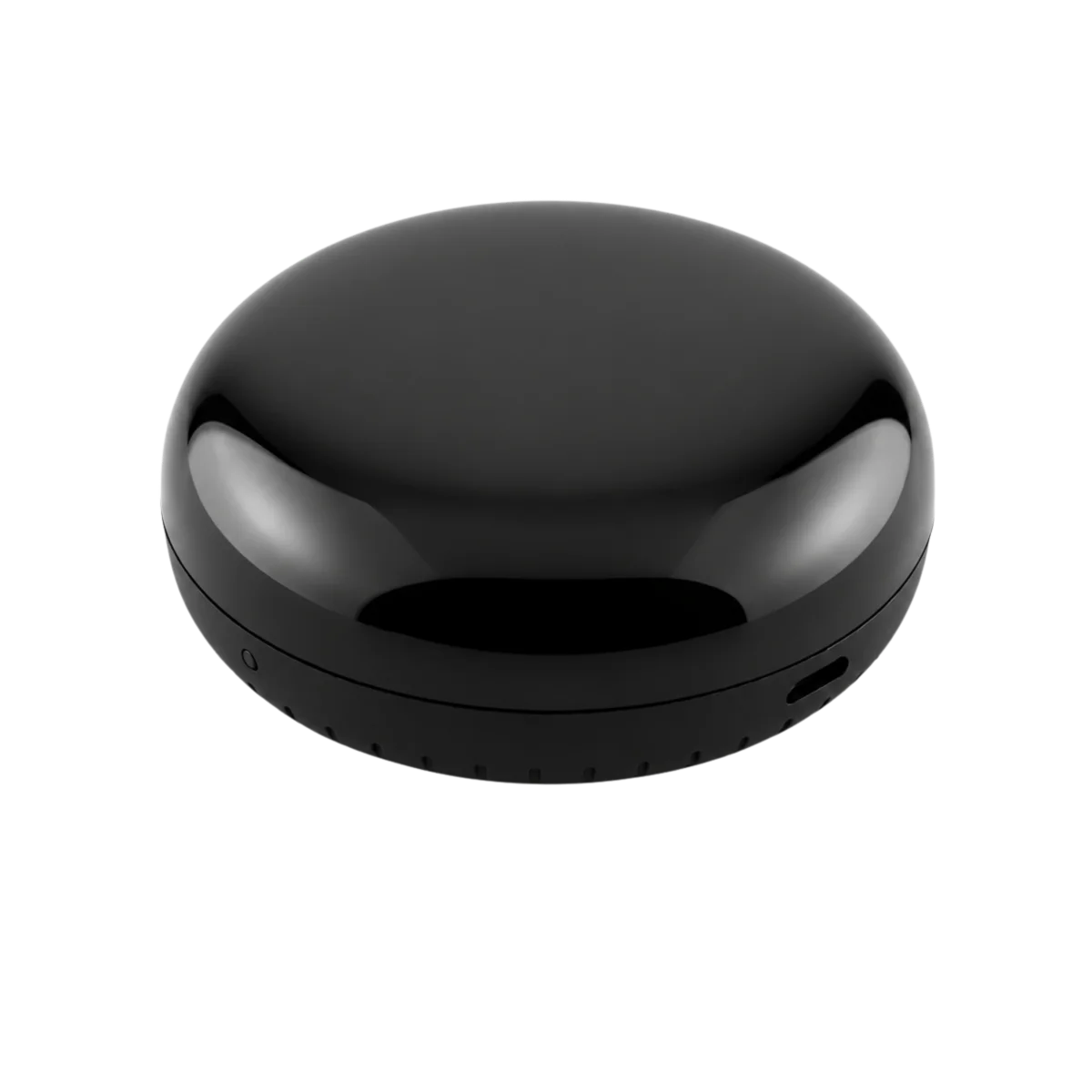
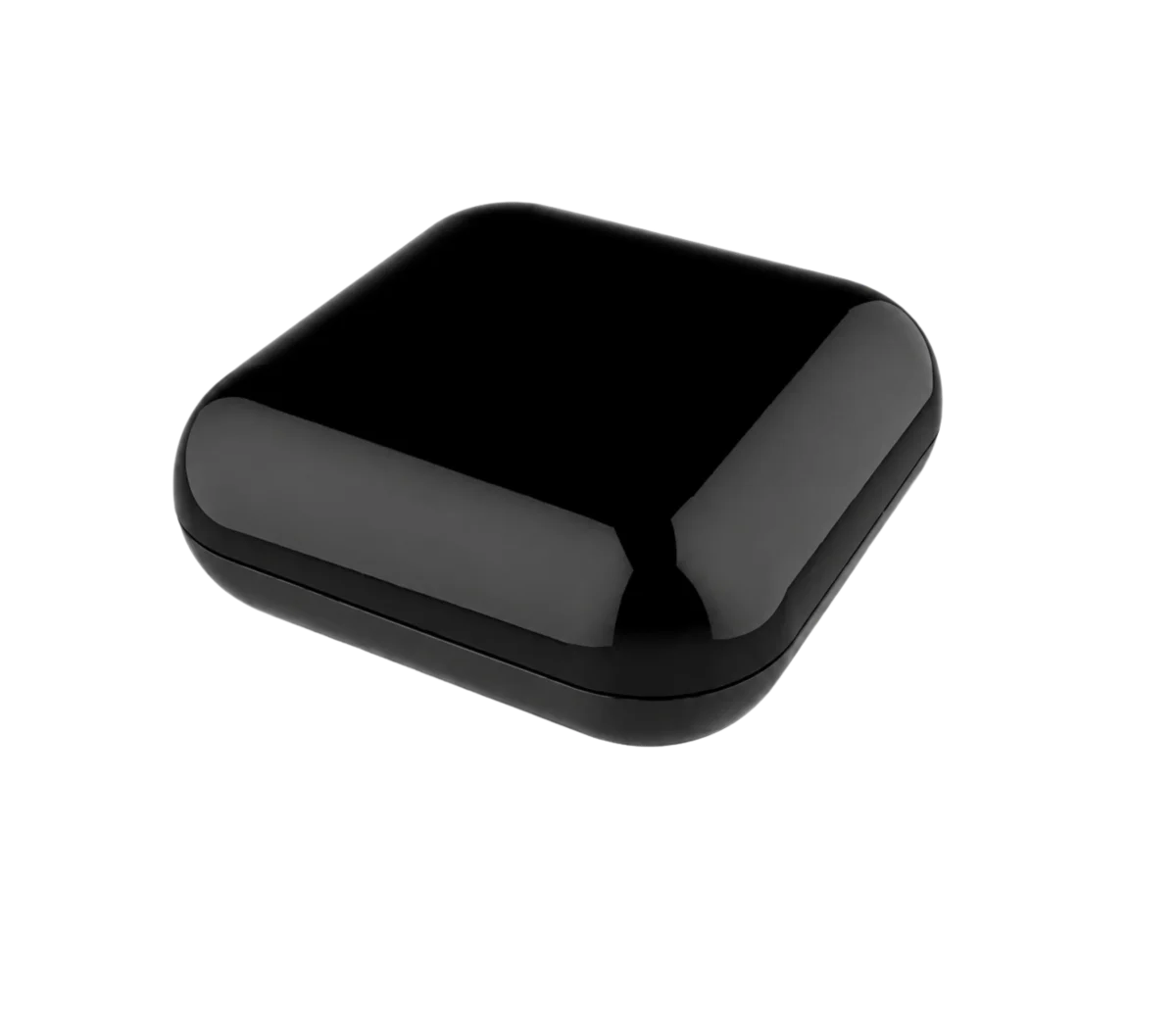
Thread devices cannot reach your Wi-Fi network on their own. They need a border router, and in India that means a HomePod mini, an Apple TV 4K, a Nest Hub or a compatible Echo — none of which is cheap here, and most of which arrive as imports without a local service path. That is a real cost that sits in front of your first ₹2,000 sensor.
What you get in return is genuinely good: a self-healing mesh with no coordinator to fail, IPv6 addressing so devices are individually reachable, and battery life measured in years. This page covers when that trade is worth making in an Indian home and when Zigbee simply does the same job for less.
System logic
How Thread works
Thread is a low-power radio mesh that speaks IP. That combination is what makes it different from Zigbee — every device is addressable on your network rather than sitting behind a translating hub.
- 01
Devices form a mesh
Mains-powered Thread devices act as routers and relay traffic for each other. Battery devices stay asleep and wake only to send. There is no single coordinator, so losing one device does not take the network down — the mesh re-routes around it.
- 02
A border router bridges to Wi-Fi
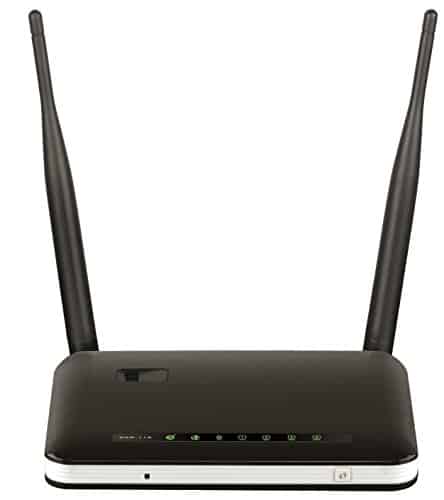
Thread runs on 802.15.4 radio, which your phone and router cannot speak. A border router has both radios and passes traffic between the Thread mesh and your home network. Without one, a Thread device is unreachable.
- 03
Every device gets an IPv6 address
Unlike Zigbee, Thread devices are IP endpoints. Your controller talks to them directly rather than through a hub that translates. This is why Thread underpins Matter — Matter needs IP, and Thread provides it at low power.
- 04
Control stays on your network
Because the devices are addressable locally, commands do not need to leave your home. Thread keeps working through a broadband outage, which matters more in India than in the markets Thread was designed for.
Local conditions
Thread in Indian homes
Three things decide whether Thread makes sense in an Indian home, and none of them are about the protocol itself.
The border router is the real price of entry
Budget ₹8,000–₹15,000 for a HomePod mini, Nest Hub or Apple TV before your first Thread device, and accept that replacing it is likely a grey-market purchase. A Zigbee hub covering a whole home costs about the same and comes with far more Indian device choice, which is why we usually recommend it first.
Indian form factors barely exist on Thread
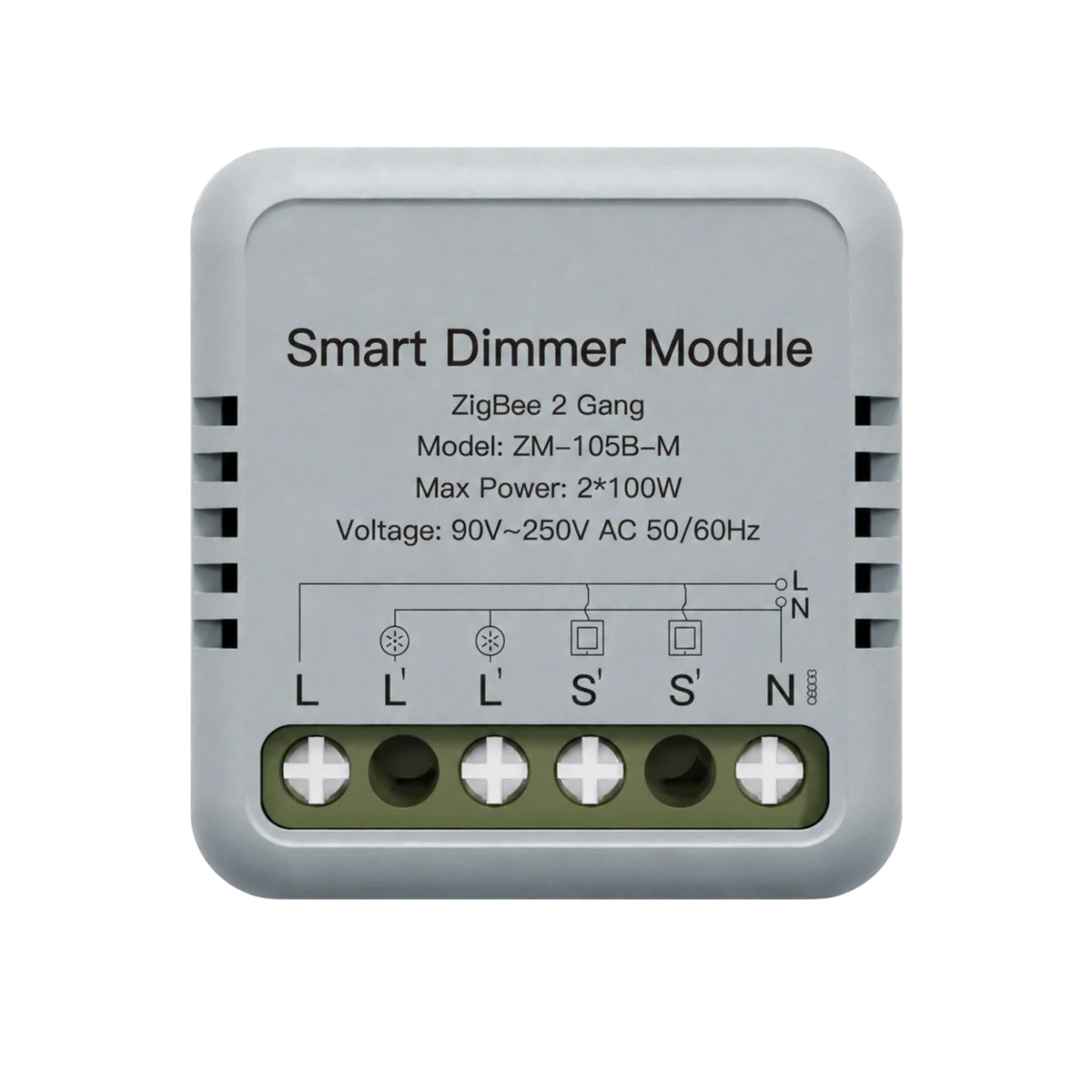
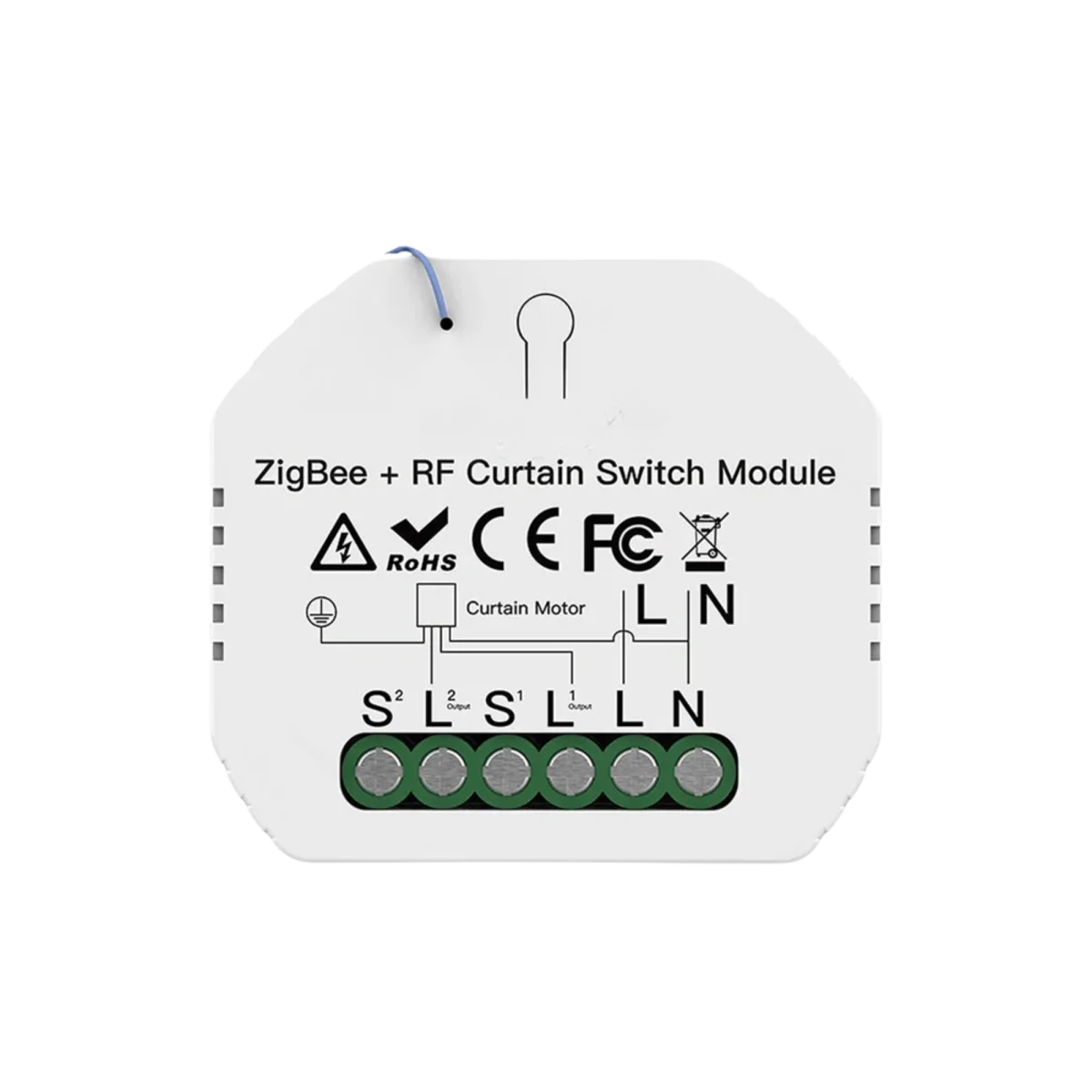
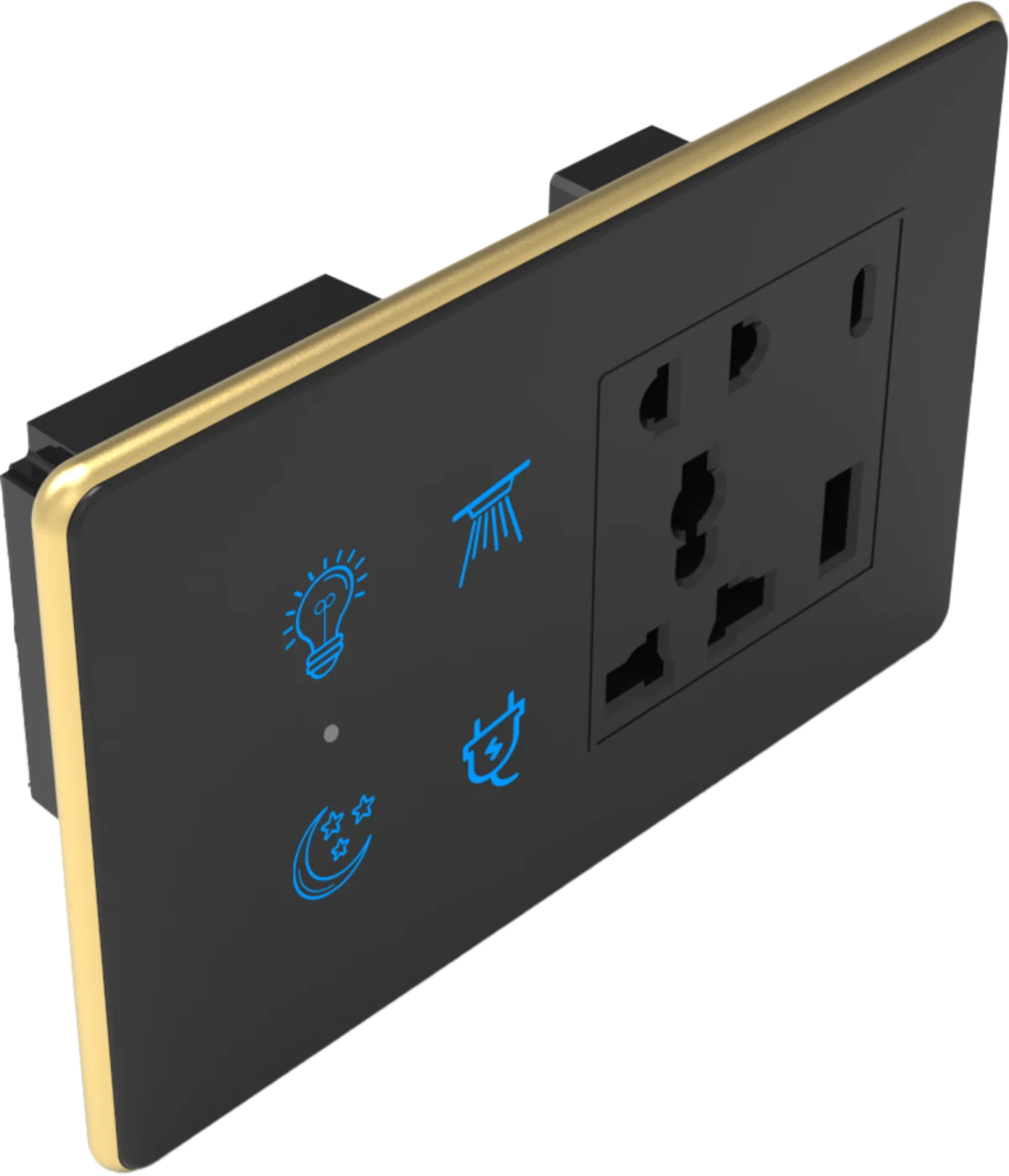
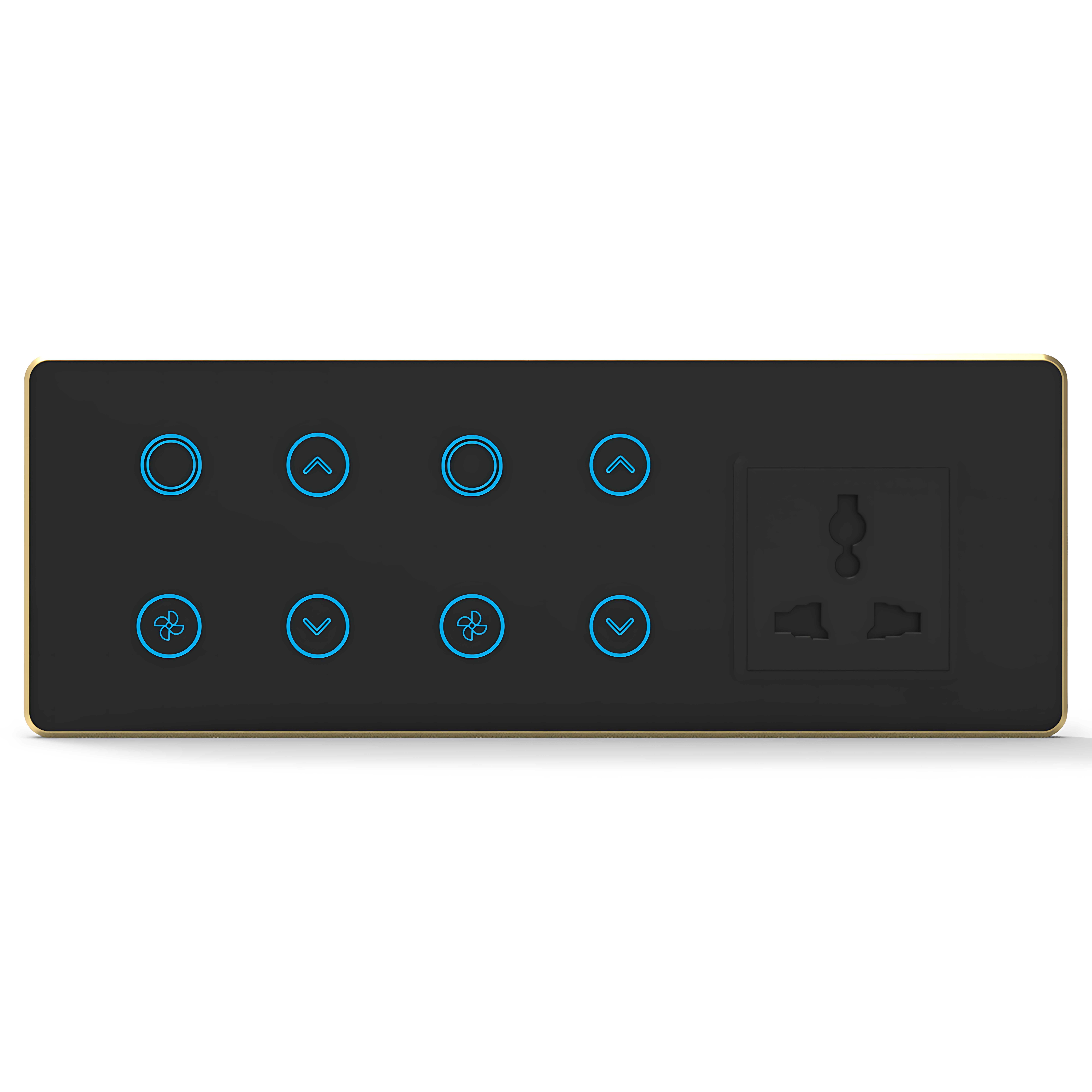
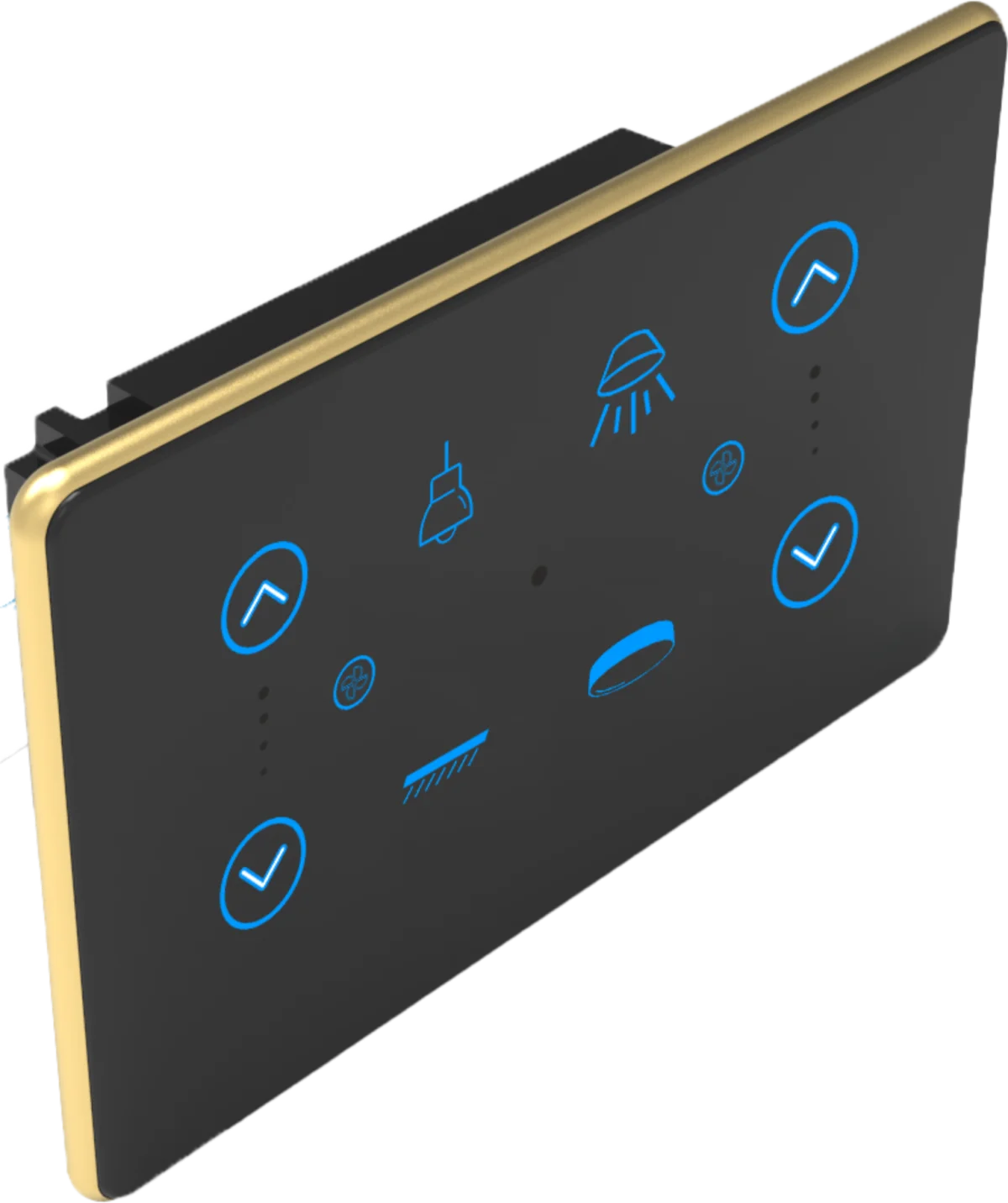
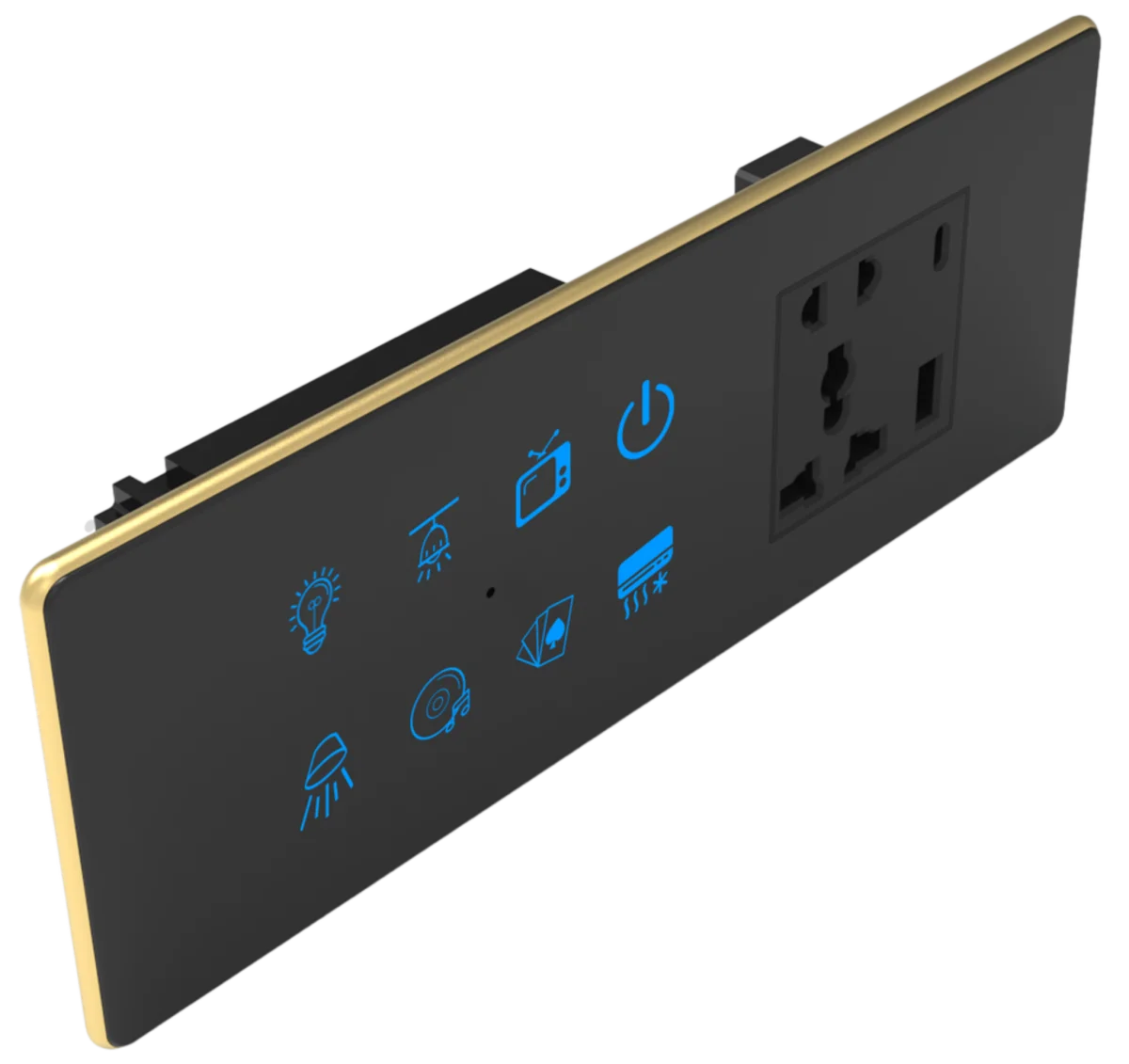
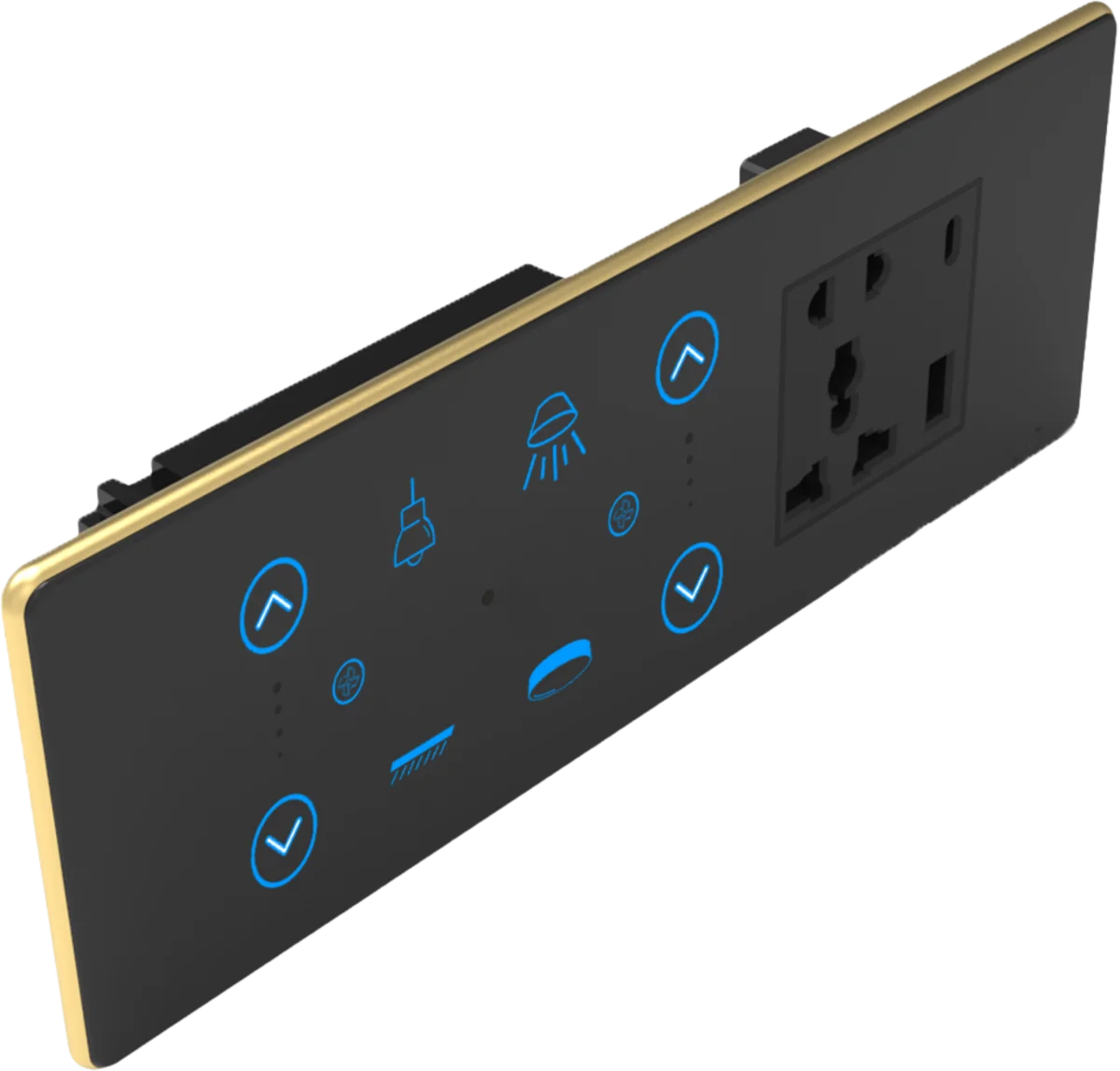
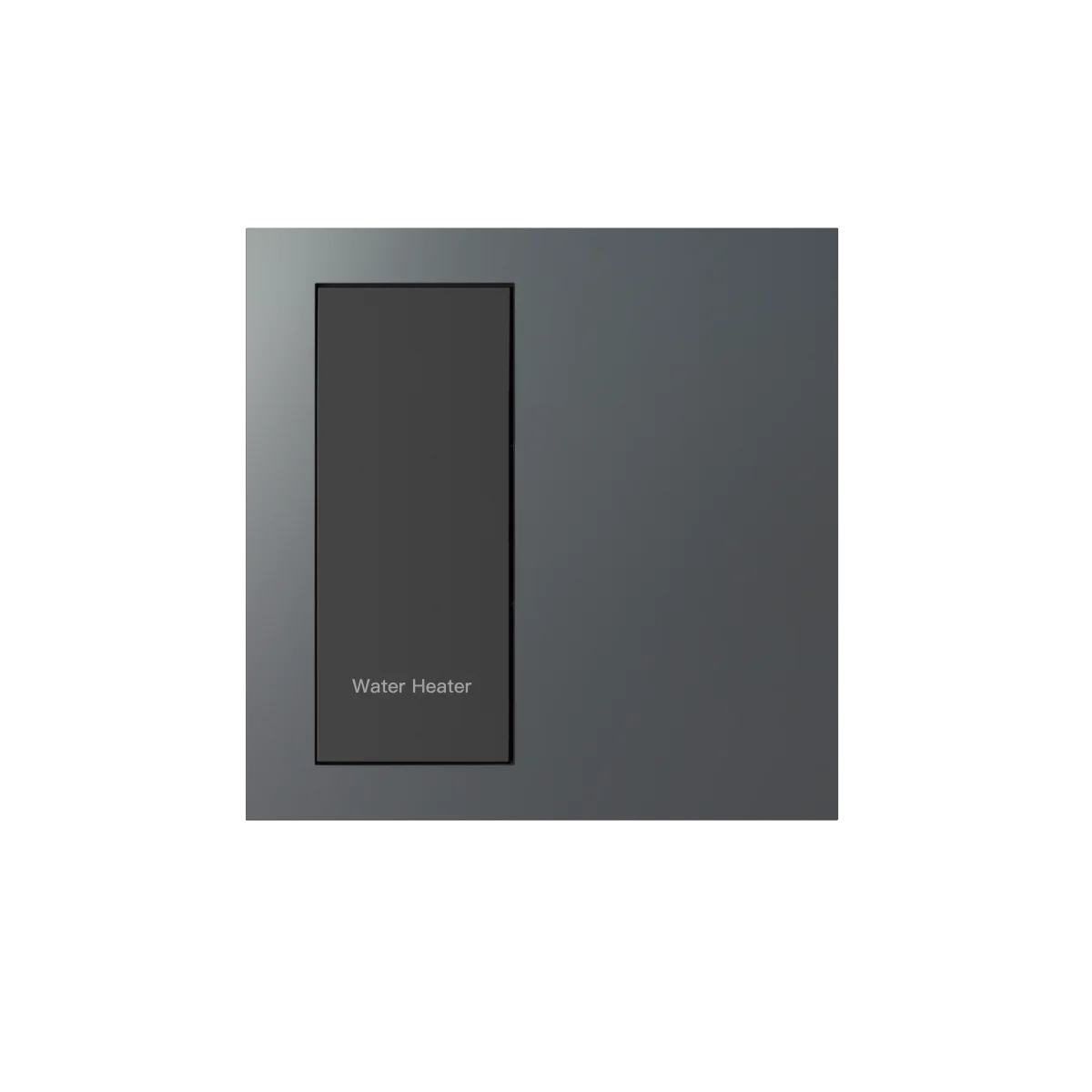
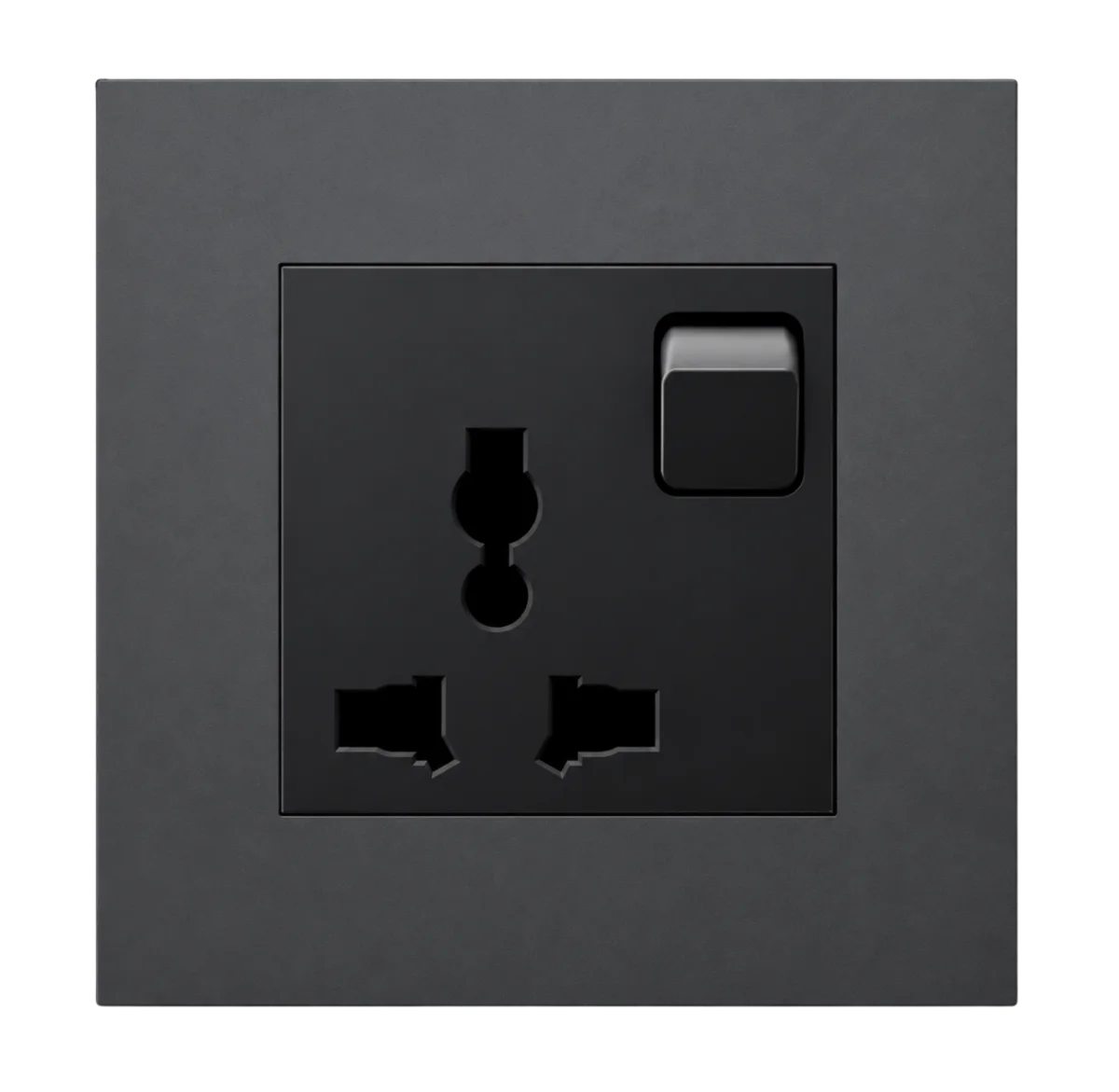
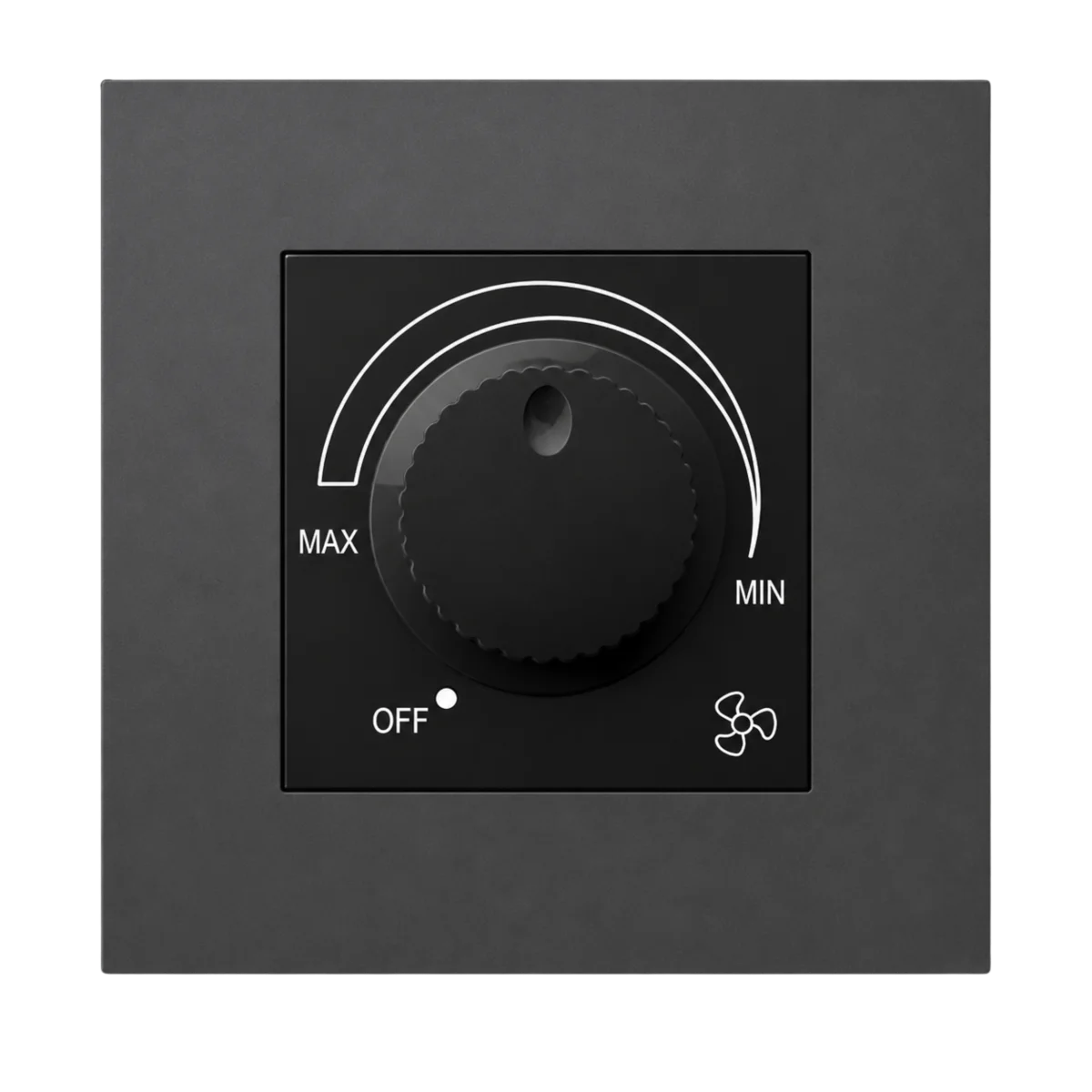
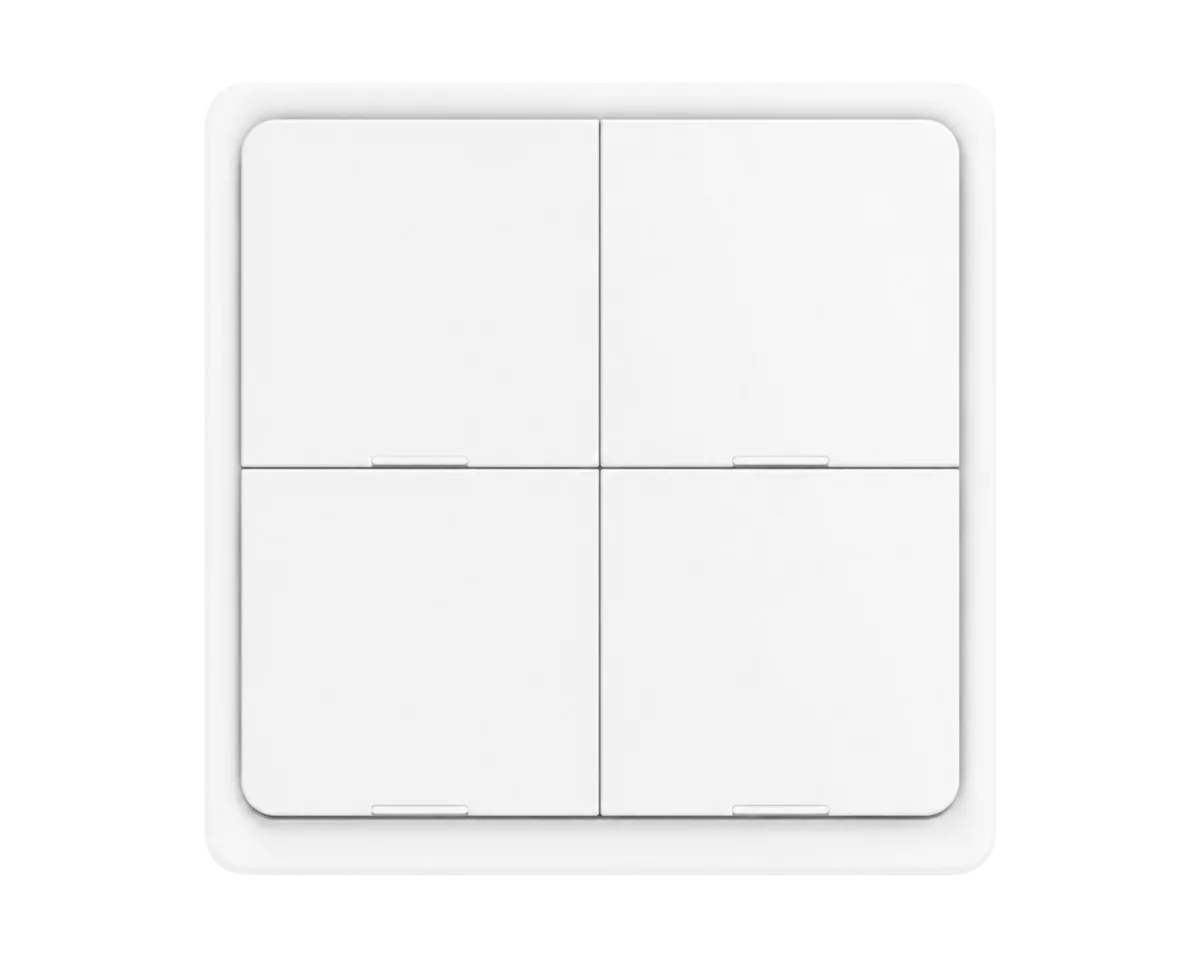
Our switchboards are modular — 8M, 12M and 18M plates — and our switches have to handle fan regulation, geysers and 16A points. Thread's device catalogue is dominated by US and EU form factors. For sensors and locks Thread is fine; for the switching layer of an Indian home there is almost nothing to buy.
Local control is worth more here
Thread devices stay reachable when your broadband drops, which in most Indian homes is a routine event rather than an edge case. This is the strongest genuine argument for Thread in India — stronger than the future-proofing pitch, which depends on devices that have not shipped here yet.
2.4 GHz is already crowded
Thread shares the 2.4 GHz band with Wi-Fi, Zigbee and Bluetooth. In a dense apartment building that band is congested. Thread handles it about as well as Zigbee does — but if interference is your specific problem, sub-GHz Z-Wave is the protocol that actually sidesteps it.
Assessment
Strengths and trade-offs
What it does well
- Self-healing mesh with no coordinator to become a single point of failure
- Every device is IP-addressable, so no hub translation layer
- Local control by design — keeps working through internet outages
- Battery life measured in years for sensors and buttons
- The transport layer underneath most battery-powered Matter devices
Where it falls short
- Useless without a border router, which is expensive and hard to buy in India
- Very few Thread devices sold in India with local warranty
- Nothing in Indian modular switch form factors
- Shares the crowded 2.4 GHz band with Wi-Fi and Zigbee
- Smaller device catalogue than Zigbee at every price point
Fit check
Where Thread fits
Choose Thread if
- Homes already running an Apple TV, HomePod or Nest Hub that can act as a border router
- Battery sensors, contact sensors and buttons where years of battery life matters
- New builds being specified around Matter from the start
- Households that want devices to keep working when the internet does not
Look elsewhere if
- The switching layer of an Indian home — the hardware simply is not sold here
- Anyone unwilling to buy and maintain a border router
- Budget-led projects where Zigbee gets the same result for less
- Homes where 2.4 GHz congestion is already the known problem
Reference
Thread specifications
| Type | Low-power wireless mesh (IEEE 802.15.4) |
|---|---|
| Hub required | Yes — a Thread border routerNot optional |
| Frequency | 2.4 GHz |
| Works offline | Yes — IP-addressable on your own network |
| Network type | Self-healing mesh, no single coordinator |
| Addressing | IPv6 (6LoWPAN) |
| Typical battery life | 1–5 years on a coin cell, device dependent |
| Range per hop | 10–30 m indoors, depending on walls |
| Security | AES-128 encryption, per-device commissioning credentials |
| Governing body | Thread Group |
| Relationship to Matter | One of Matter's three transports, alongside Wi-Fi and Ethernet |
| Indian availability (2026) | Limited — sensors and locks only, mostly imported |
Procurement
Buying Thread in India
Thread is worth buying into when you already own a border router, or when you are specifying a new home around Matter and can absorb the cost. If neither is true, Zigbee gets you the same mesh reliability and battery life with far more hardware actually sold in India.
Before you buy, check
Confirm you own — or will buy — a Thread border router; without one the device will not work
Check whether your border router is a full Thread router or only a Matter controller; the labels get used loosely
Verify the Indian warranty holder and who services the device, not the brand's global support page
For sensors, check the battery type and whether it is a size sold locally
If it is also Matter-certified, confirm certification rather than "Matter-ready"
Compare against the equivalent Zigbee device before committing — it is usually cheaper and easier to replace
Cost
What it costs
Thread sensors typically run ₹2,500–₹6,000, roughly 20–30% above the equivalent Zigbee device, plus the one-time ₹8,000–₹15,000 for a border router. A Zigbee hub plus sensors covering a whole home usually lands lower.
Controller
Do you need a hub?
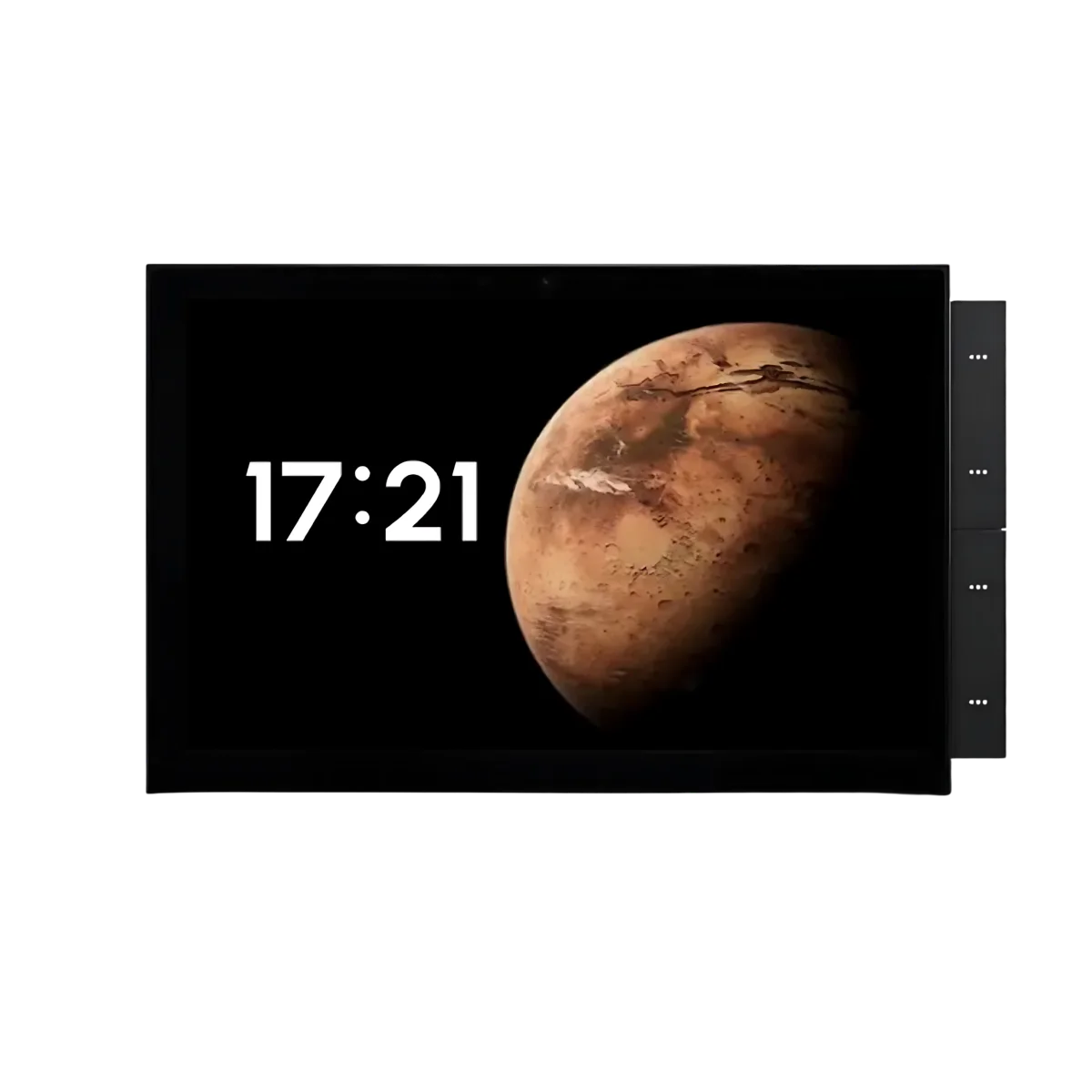
Always. A Thread border router is mandatory — a HomePod mini, Apple TV 4K, Nest Hub (2nd gen), compatible Echo, or Home Assistant with a Thread radio.
Reality check
Thread: claims and reality
Claim
Thread devices don't need a hub.
Reality
They need a border router, which is a hub by another name. The confusion comes from border routers usually being devices you bought for another reason, like a smart speaker.
Claim
Thread replaces Zigbee.
Reality
It competes with Zigbee for the same job, but Zigbee has a far larger device catalogue, especially in India. Both will be around for years, and a bridging hub can run them side by side.
Claim
Thread means Matter.
Reality
Thread is a transport; Matter is an application layer on top. A device can be Thread without being Matter-certified, and Matter devices can run over Wi-Fi instead of Thread.
Ecosystem
What Thread works with
Platforms
- Apple Home
- Google Home
- Amazon Alexa
- Samsung SmartThings
- Home Assistant
Hubs and controllers
- Apple TV 4K / HomePod mini
- Google Nest Hub (2nd gen)
- Amazon Echo (4th gen)
- SmartThings Station
- Home Assistant with a Thread radio
Any of these can act as the border router. If you already own one for another reason, the main cost objection to Thread disappears.